Make a claim

Here to support your claim process

A smooth claims process benefits both you and your employee. As a designated Third Party Administrator (TPA) for self insured employers, we work closely with our clients to establish the best operational processes possible for a seamless claims experience for workers.

If you need help at any stage, just get in touch.

Light blue square shape on a colored background.

Make a claim

You can find claim forms by state here:

– Victoria 

– South Australia 

– Western Australia 

– Tasmania 

– New South Wales 

– Northern Territory 

If you are in Queensland, please contact our team for the relevant form for your organisation.

selfinsurance@eml.com.au

Claim lodgement

Send completed claim forms to: 
E: selfinsurance@eml.com.au
News

News and community
PIEF finalists banner s11c team

EML’s Claims Portfolio Team S11C named PIEF Award finalists

EML's Claims Portfolio Team S11C finalists in the Outstanding Contribution by a...
nsw reforms

NSW workers compensation scheme reforms announced

The NSW Government has introduced reforms that change how psychological injury claims...

Leading with purpose: Megan Bell named PIEF Awards 2026 Outstanding Leadership finalist

Healthcare workers dedicate their careers to caring for others, often in complex...

Helping people find their next path: EML’s Career Transition Services named PIEF finalist

Healthcare workers dedicate their careers to caring for others, often in complex...

Celebrating 10 years of support in Victoria

Healthcare workers dedicate their careers to caring for others, often in complex...

Resources

Free tools to support recovery and provide a safer workplace

Training

Customised and flexible learning for workplace peace of mind

Upcoming sessions

Browse our training across workers compensation, health and safety, return to work and mental health.
Workers compensation: National updates and insights

This course is designed to provide employers with an update on current issues impacting workers compensation schemes, the latest trends, external factors and legal implications, and the expected implications of these issues for employers. Topics include: Overview of Workers Compensation in Australia; State Schemes updates and impacts.
Host : Internal

Upcoming sessions

Browse our training across workers compensation, health and safety, return to work and mental health.

Stay S.A.F.E.R.® de-escalation program

Workplace interactions can sometimes become challenging, emotional, or confrontational. The Stay S.A.F.E.R.® De-escalation Program provides practical skills and strategies to help participants recognise early signs of escalation, respond effectively to heightened emotions, and support safer, more positive outcomes for everyone involved. This interactive workshop explores the Escalation Cycle and equips participants with techniques to prevent situations from intensifying, communicate effectively under pressure, and apply de-escalation strategies in a range of workplace contexts. Participants will also learn how to maintain safety during emergency situations and reflect on incidents to support continuous improvement.
Host : Our Curious Minds

Fatigue is more than tiredness

Fatigue is now recognised within psychosocial hazard frameworks, not just as a physical safety issue but as a psychological risk factor. Ongoing workload pressure, long hours, mental load, and emotional strain can erode coping capacity, judgement, and wellbeing. This session helps leaders recognise fatigue as an early risk indicator.
Host : Lysander

Ageism awareness

As working lives become longer and increasingly multigenerational, age-inclusive work practices have an important role in supporting workforce participation and longevity. Ageism is a modifiable barrier to workforce participation and productivity. Ageism awareness education helps leaders recognise when age-based may be influencing workforce decisions. Understanding how ageism presents and plays out in the workplace provides opportunities to interrupt these assumptions ultimately improving workforce capability and helping people work better, for longer.  Through this training explore what ageism is and ways it may present. Understand how age-based assumptions influence beliefs and perceptions relating to capability and contribution over the lifespan and how this can alter the way we see ourselves, our colleagues and our capability at work. Through interactive discussion, discover practical strategies to assist leaders and managers in testing assumptions against evidence and reframe unhelpful narratives in way that promote capability and inclusion ultimately creating the conditions for a stronger, more sustainable multigenerational workplace.
Host : IPAR

Upcoming sessions

Browse our training across workers compensation, health and safety, return to work and mental health.

Integrating physical and psychological risk management

Recovery is not just physical. Effective injury prevention requires organisations to consider both physical and psychological factors that influence health, safety and recovery outcomes. This session, designed for WHS professionals and those involved in supporting the RTW process, explores the connection between physical injury and psychological risk, the challenges of managing these risks in isolation, and the benefits of an integrated approach. Participants will gain practical strategies, tools and resources to strengthen injury prevention, support recovery at work, and improve workplace outcomes.
Host : Work Healthy Australia

Role of the Return to Work Coordinator (VIC)

This WorkSafe Victoria endorsed Return to Work (RTW) program is designed to equip RTW Coordinators with the tools they need to effectively manage return to work under the requirements of the legislation and the principles of effective injury management. A WorkSafe endorsed certificate will be provided upon full participation in the two-day RTWC program. All pre work materials will be provided.
Host : Workplace Interventions

Understanding biopsychosocial risk factors and assessments

Successful recovery after a workplace injury is influenced by more than the diagnosis or severity of injury. Research consistently demonstrates that psychosocial factors often have a greater impact on recovery and return-to-work outcomes than the physical injury itself. This session provides employers, RTW coordinators and supervisors with practical knowledge to identify psychosocial risk factors that may delay recovery, understand the purpose of biopsychosocial assessments, and implement workplace strategies that support recovery and durable return-to-work outcomes.
Host : KINNECT

Upcoming sessions

Browse our training across workers compensation, health and safety, return to work and mental health.

News

News and community
PIEF finalists banner s11c team

EML’s Claims Portfolio Team S11C named PIEF Award finalists

EML's Claims Portfolio Team S11C finalists in the Outstanding Contribution by a...
nsw reforms

NSW workers compensation scheme reforms announced

The NSW Government has introduced reforms that change how psychological injury claims...

Leading with purpose: Megan Bell named PIEF Awards 2026 Outstanding Leadership finalist

Healthcare workers dedicate their careers to caring for others, often in complex...

Helping people find their next path: EML’s Career Transition Services named PIEF finalist

Healthcare workers dedicate their careers to caring for others, often in complex...

Celebrating 10 years of support in Victoria

Healthcare workers dedicate their careers to caring for others, often in complex...
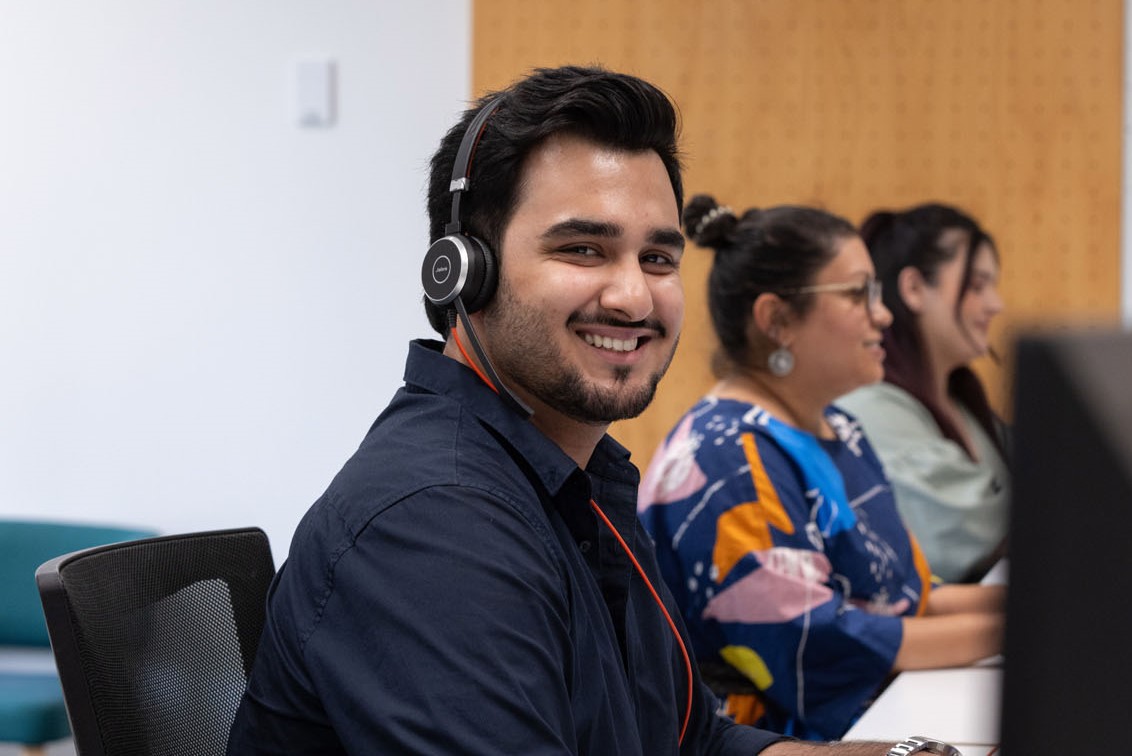
Person smiling, wearing headphones at a computer.
Get in touch your way
Chat with our local claim experts - we're always here to help