



Australia’s retail sector faces rising challenges with increased reporting of customer aggression and occupational violence. Frontline staff endure verbal abuse, physical threats, and long hours, driving stress, burnout, and psychological injuries that often go unreported. These risks lead to absenteeism, staff turnover, and financial strain from workers’ compensation claims.
Employers must act now with mental health programs, violence prevention policies, and training to manage aggressive behavior to create a safe, supportive workplace is critical to protect employees and business performance.
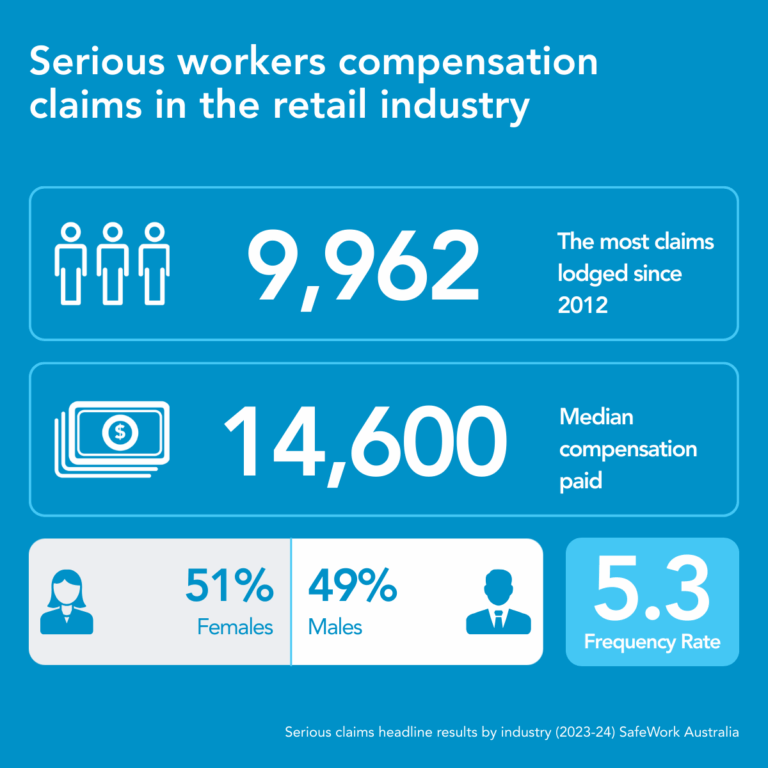
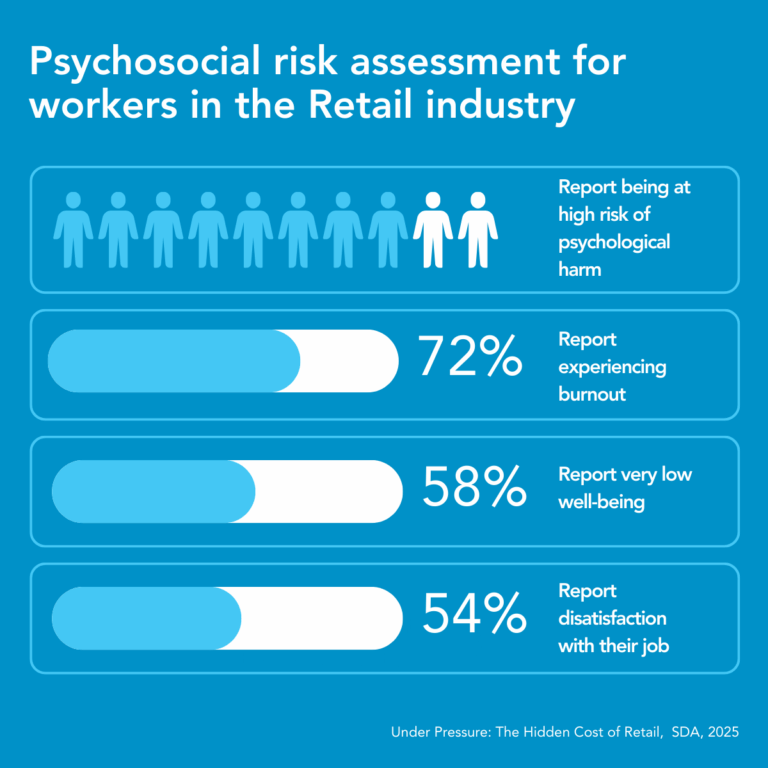
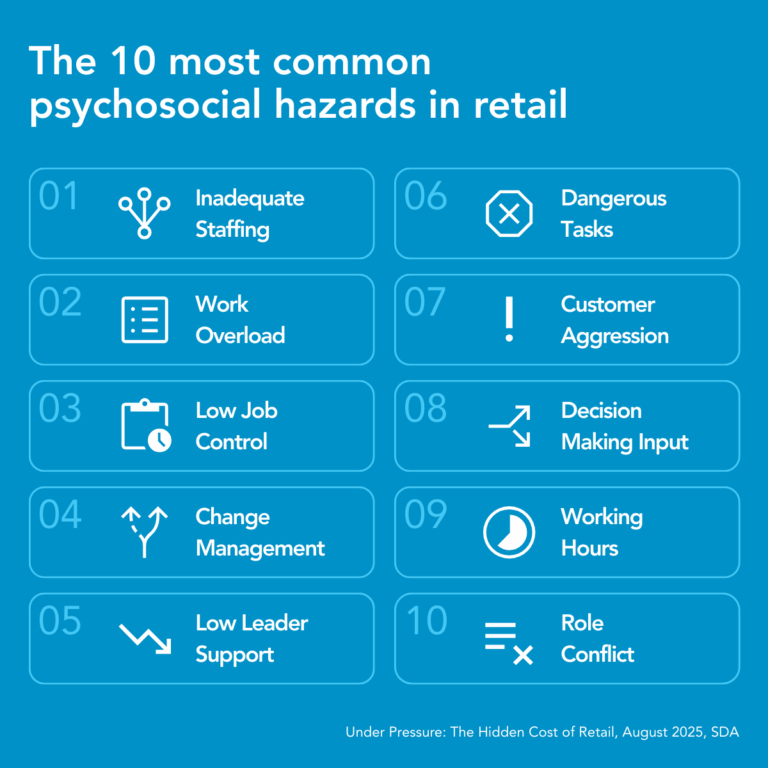
Recent research from EML’s Inside the Minds of Australia’s Workplaces reveals retail as a high-risk industry for mental health, with nearly one in three Australian workers reporting long-term conditions such as anxiety and burnout.
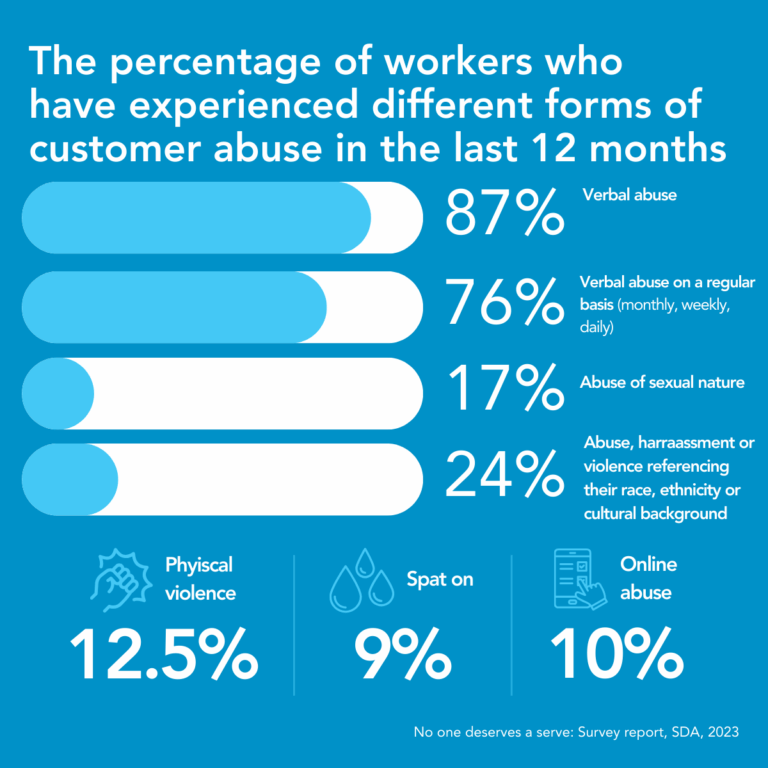
Retail staff face customer aggression, verbal abuse, and physical threats, especially during peak shopping periods like Christmas. Industry insights show escalating theft, antisocial behaviour, and drug-affected incidents, impacting staff safety and morale. These pressures lead to psychological injuries, increased absenteeism, and WorkCover claims, underscoring the urgent need for mental health programs, violence prevention policies, and training to manage aggressive behaviour.
We’ve seen a significant rise in claims related to verbal abuse and physical aggression and we anticipate claims to increase further as a result of the festive period. Staff are under immense pressure and deal with hostile behaviour on a regular basis, and it takes a serious toll on their mental health.
Keith Govias, Workplace Safety & Risk Principal
Each jurisdiction provides specific insights into the priorities, guidance and recommendations to address the risk profile of the retail industry.
Respect & Resilience (icare NSW)
This resource is designed for icare customers, employers, and practitioners in the retail and fast-food sectors. It delivers a clear summary of research on customer misbehaviour within these industries and highlights how the Respect & Resilience Program works to reduce and manage these challenges.
Available via the icare website
SafeWork NSW Self-Assessment Tool
SafeWork NSW offers a self-assessment tool tailored for retail businesses to help identify and manage risks of workplace violence and aggression. These incidents often occur in industries where employees interact with the public or external customers, posing serious physical and psychological harm. Retail workers face a higher risk of such workplace hazards, making proactive safety measures essential.
Worksafe Victoria provides a guide for employers about work related violence.
This comprehensive guide helps employers identify, prevent, and manage work-related violence in the workplace. It covers:
SafeWork SA provides valuable guidance for retail industry employers on managing customer aggression and violence. The site offers practical resources to help businesses:
A comprehensive range of tools and information is available through the SafeWork SA website
Worksafe Queensland – A guide for Workplace violence and aggression in the Retail Trade industry
Legal obligations under the Work Health and Safety Act 2011 for employers (PCBUs) to manage WVA risks.
The resource is available on the Worksafe Queensland website.

Safe Work Australia’s recent data report Psychological health and safety in the workplace highlighted a concerning upwards trend of workplace violence and aggression.

The 2023 survey by the SDA of over 4,600 workers found that the prevalence of abuse and violence by customers has not improved since the previous surveys.

The Occupational Violence and Aggression (OVA) Health Check is a tool crafted to evaluate the risk level of OVA within a workplace.

A step by step guide to support workplaces in assessing workplace preparedness and supports for an incident pertaining to violence or aggression.

Take advantage of our new posters – free and ready to use in your organisation today. Developed by the Mutual Benefits program, a range of posters on a variety of Workplace Health and Safety (WHS) topics are available.

This course delves into recognising warning signs of a robbery, emergency and security procedures, and the correct protocols for reporting incidents.


Lorem ipsum dolor sit amet, consectetur adipiscing elit, sed do eiusmod tempor incididunt ut labore et dolore magna aliqua.

The EML Group is made up of a group of companies owned and operated by a partnership between Employers Mutual Limited & The Trustee For ASWIG Management Trust ABN 23 923 166 503, to find out more information about the EML Group click here.
