


Explore expert guidance, resources and tools to better understand and address the risks faced by healthcare workers

The healthcare and social assistance sectors make up almost 16% of jobs nationwide. With over 2 million Australians represented in these sectors the prevalence of occupational violence is particularly worrying.
Healthcare workers in Australia face severe physical, chemical and psychosocial risks. While the number of healthcare workers is increasing, so is the demand consequently creating a shortage that exacerbates the preexisting risks for these workers. The cycle continues as risks lead to absenteeism, staff turnover, and financial strain from workers’ compensation claims.
of Australian healthcare workers reported experiencing burnout in 2022, according to Mental Health Australia's Annual Healthcare Professionals Survey.
said working in healthcare during the pandemic increased stress and pressure in the workplace.
reported being impacted by staff shortages.
said workers were absent due to burnout, stress and mental health conditions.
said more people were leaving the healthcare profession.
reported tiredness and fatigue.
felt overwhelmed, anxious or fearful.
experienced sleep problems and low energy for social activities.
Safe Work Australia identifies workplace violence and aggression as a significant hazard in healthcare and social assistance, alongside fatigue, bullying, harassment and mental stress.
The Australian Institute of Health and Welfare notes that healthcare workers experience higher rates of work-related violence than many other industries in Australia.
Safe Work Australia's 2024 analysis highlights workplace violence as both a psychosocial and physical hazard, with healthcare and social assistance being one of the industries where violence is a major risk.
The healthcare and social assistance industry has the highest number of work-related injuries of any industry in Australia.
The industry's workers' compensation claim rate is more than twice the national average.
Healthcare and social assistance workers account for approximately 20% of all workers' compensation claims nationally.
Health care and social assistance is consistently among the industries with the highest number of serious workers' compensation claims.
According to AIHW, 27% of all work-related injuries among employed women in Australia occurred in the health care and social assistance industry in 2021-22.
Mental health conditions accounted for 9% of all serious workers' compensation claims in Australia in 2021-22.
Claims for mental health conditions increased 36.9% between 2017-18 and 2021-22.
Mental health claims result in more than four times the median time lost from work compared with physical injury claims.
Safe Work Australia reported that mental health conditions represented
serious workers' compensation claims in 2021-22.
In 2023-24, mental health conditions accounted for 12% of all serious workers' compensation claims nationally, continuing an upward trend.
Healthcare workers with mental health injuries often experience longer recovery periods, poorer return-to-work outcomes and greater stigma compared with workers experiencing physical injuries.
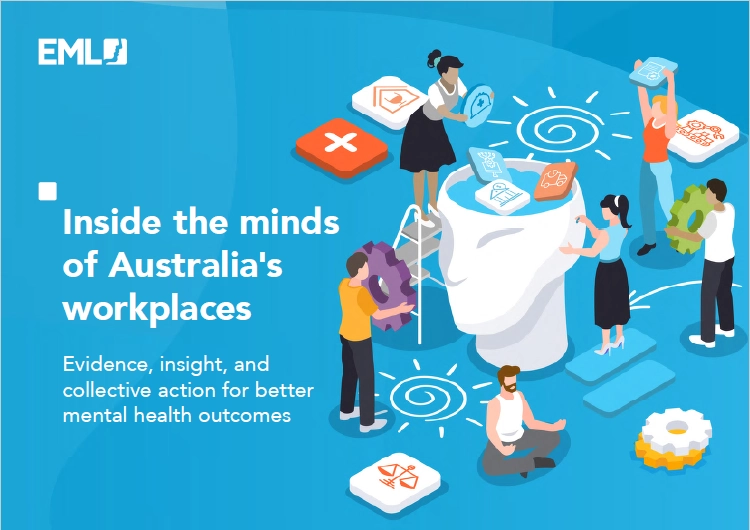
Findings from EML’s Inside the Minds of Australia’s Workplaces show that healthcare and social assistance workers experience some of the highest rates of mental ill-health and psychological injury claims in Australia. The sector accounts for more than 669,000 workers living with a long-term mental health condition and over 234,000 experiencing high or very high psychological distress, while recording the highest annual mental health claim rate of any industry.
Workers in healthcare frequently face high emotional demands, workforce shortages, exposure to trauma, occupational violence, and sustained workload pressures, all of which contribute to elevated levels of burnout, psychological injury, and PTSD. The ongoing strain on the healthcare workforce has been further intensified in the years since the COVID-19 pandemic, highlighting the need for targeted prevention, early intervention, and workplace wellbeing initiatives to support those who care for others
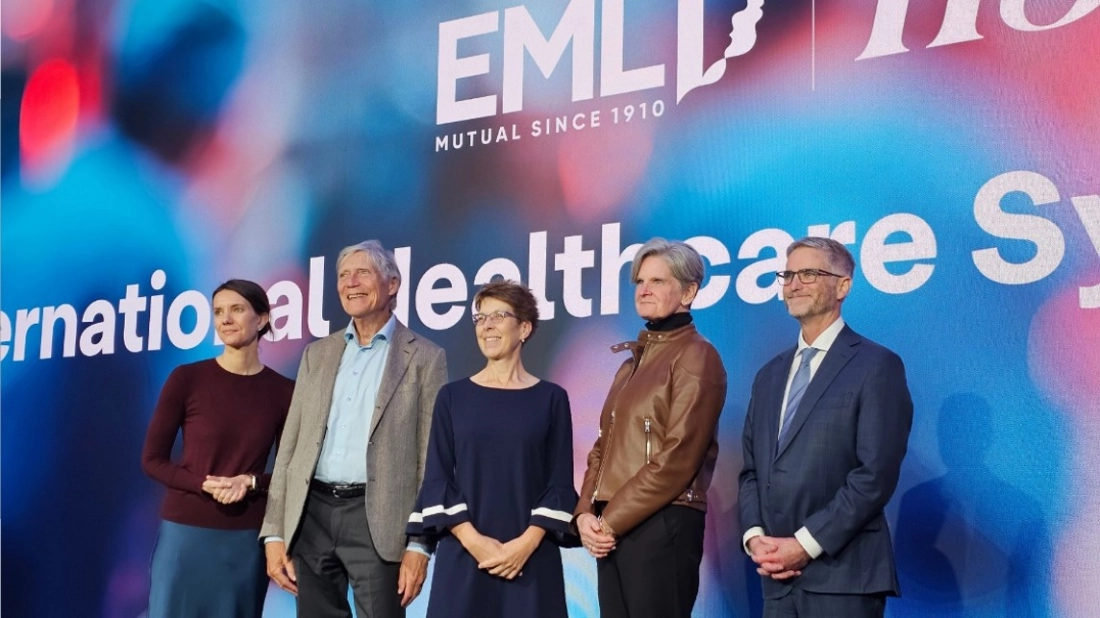
Healthcare workers dedicate their careers to caring for others, often in some of the most challenging environments imaginable. At EML’s International Healthcare Symposium 2026, industry leaders, researchers and wellbeing experts came together to explore practical, evidence-based approaches to addressing burnout, occupational violence, moral injury, psychological safety and recovery at work.
Discover the insights, research and conversations shaping safer, healthier workplaces for the people who care for our communities every day.
“Creating safer, healthier workplaces has never been more important”. Don Ferguson, EML CEO.

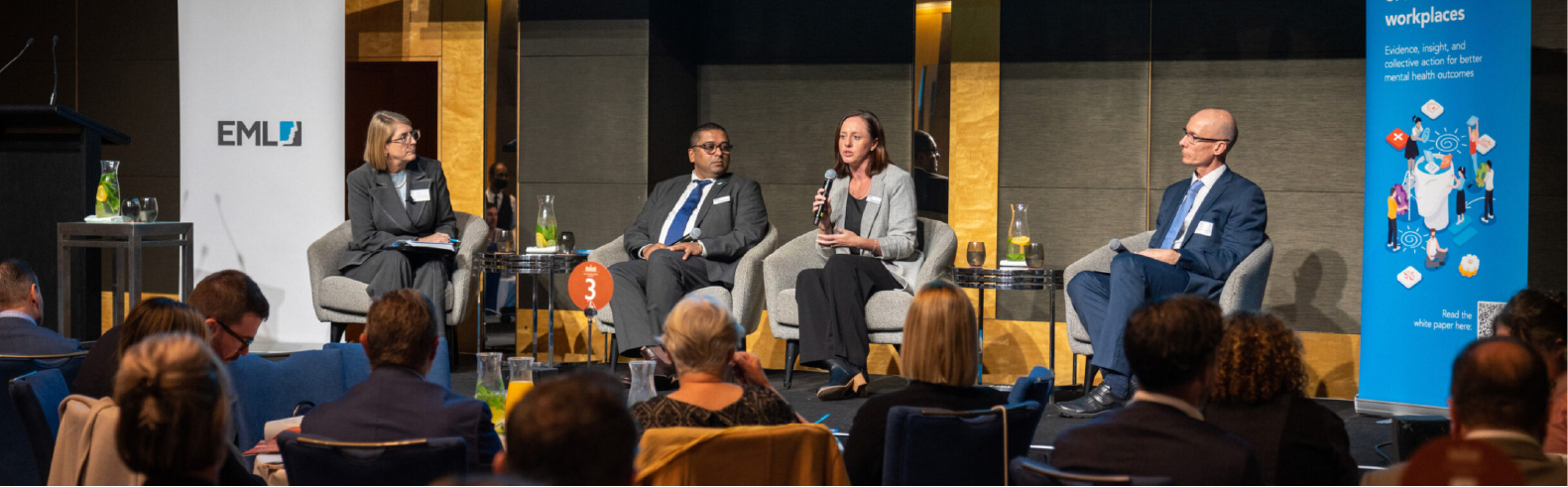
Occupational violence and aggression remains a significant challenge across healthcare, aged care and other frontline industries. Through EML’s Mutual Benefits Program, which has invested $142 million in research since 2012, EML partnered with Phoenix Australia to better understand the impact of occupational violence and aggression on workers and identify practical solutions to create safer workplaces.
Explore the research findings, sector insights and evidencebased strategies helping organisations better prevent, respond to and support recovery from workplace violence.

Post-traumatic stress disorder (PTSD) can have a lasting impact on workers, families and workplaces, particularly in high-risk industries such as healthcare, emergency services and other frontline roles.
This resource hub brings together trusted articles, guides, videos and practical tools developed with leading organisations including Black Dog Institute and Phoenix Australia, helping individuals better understand PTSD, support recovery and navigate the journey back to health and work.
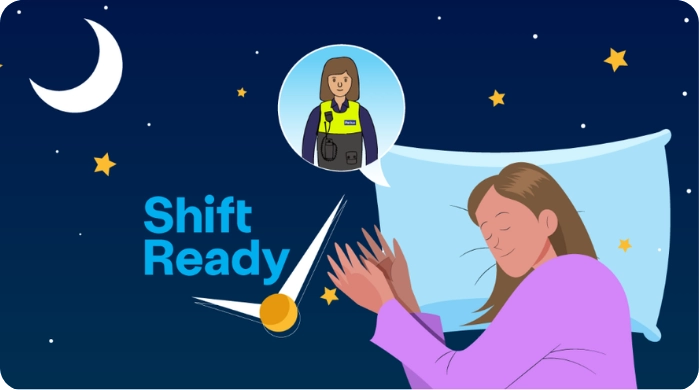
Safer shifts start with better sleep. Shift work can make getting enough quality sleep difficult, increasing fatigue and affecting alertness, reaction time, decision-making and the ability to work safely.

With Australia’s ageing population, the need for experienced healthcare workers is increasing and yet a considerable proportion of the healthcare workforce is nearing retirement.

Proactively addressing musculoskeletal disorder (MSD) risks is key to fostering safer workplaces.

The Occupational Violence and Aggression (OVA) Health Check is a tool crafted to evaluate the risk level of OVA within a workplace.
A step by step guide to support workplaces in assessing workplace preparedness and supports for an incident pertaining to violence or aggression.

Our clinician’s summary provides best-practice guidelines to support timely intervention, effective treatment, and improved recovery outcomes for those exposed to workplace trauma.

A compilation of specific guidelines from Phoenix Australia tailored to emergency workers (police, paramedics, firefighters, health professionals) on how to recover from PTSD.
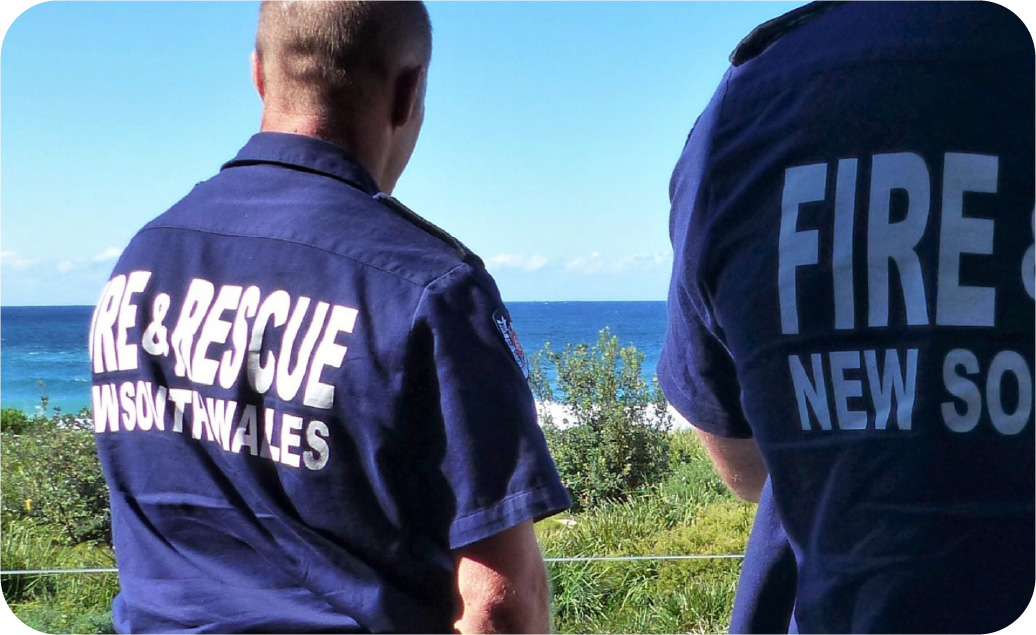

Phoenix Australia’s Responder Assist offers confidential mental health assessment, treatment and support for emergency services workers impacted by work-related trauma.
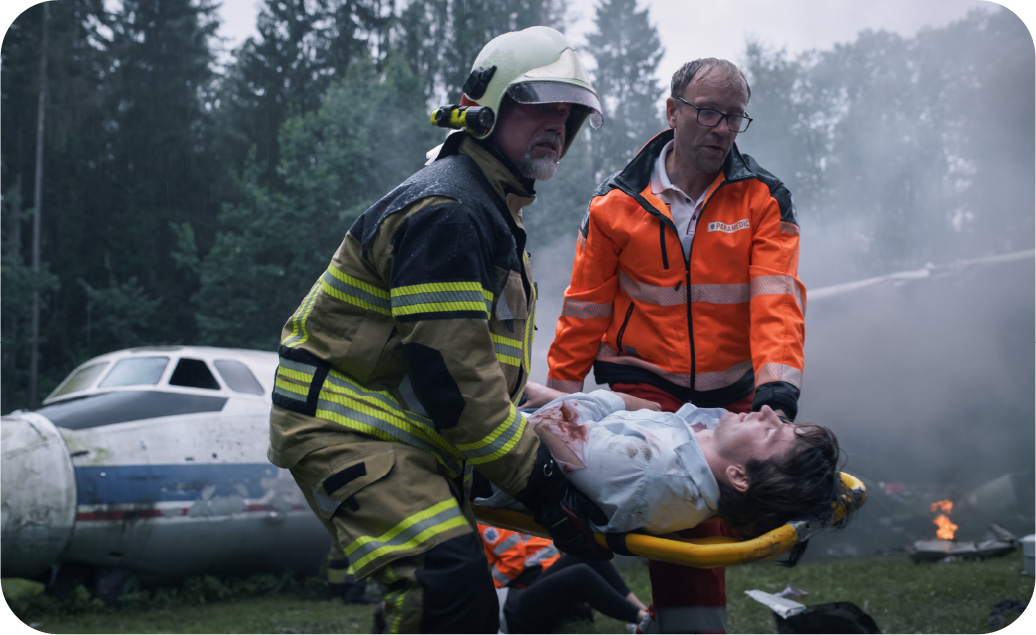
Learn about the support, tools, and services available to police officers recovering from injury and considering alternative career pathways.


Beyond Blue, one of Australia’s leading mental health organisations, includes mental health information, 24/7 support, self-help tools, and workplace wellbeing resources.
EML supports healthcare and social assistance workers and their families with tailored care, recovery services and claims guidance. We understand the unique challenges of working in healthcare and provide early access to expert support to help address concerns, strengthen wellbeing, and find practical solutions before they develop into a workers’ compensation claim.

We bring in psychological specialists who understand emergency services within the first 12 weeks of a claim, supporting early recovery and return to work.

Our Mobile Case Managers provide face-to-face support at home or in hospital, while our resources and RecoveryMate app help people navigate their recovery. Our specialist legal team also helps ensure emergency services workers receive their correct entitlements.

Because injury affects the whole family, our Family Centred Care program provides services, resources and practical support to help families better understand mental health conditions and access support.

Returning to the uniform isn’t always possible. We provide step-by-step support to alternative employment, medical discharge and community-based services, helping workers translate years of frontline experience into recognised qualifications and new career opportunities.

Knowing who might need extra support is critical to recovery. Our biopsychosocial and risk screening tools help identify workers who may require specialist support so it can be provided quickly, even when the signs aren’t immediately obvious.
Nurse Midwife Health Program Australia (NMHPA)
This independent national program provides free, confidential peer support for nurses, midwives, and students of the professions. Healthcare workers can access practical guidance from experienced peers, wellbeing resources, self-health checks, and support for issues such as stress, burnout, sleep difficulties, and workplace pressures
Nurse & Midwife Support
This national service offers free, confidential, 24/7 wellbeing and mental health support for nurses and midwives across Australia. It provides peer support, advice, referrals, and resources on burnout, workplace bullying, occupational violence, compassion fatigue, grief, and other challenges associated with healthcare work.
Black Dog Institute – The Essential Network (TEN) for Health Professionals
evidence-based wellbeing platform is designed specifically for healthcare workers. It offers practical tools, self-assessments, resources on managing burnout, stress, anxiety and trauma, and guidance for supporting colleagues and teams in high-pressure healthcare environments.
NSW Health – mental health resources for staff
range of mental health and wellbeing resources for NSW Health employees. Support includes access to confidential Employee Assistance Programs (EAP), counselling services, wellbeing resources, and information to help staff and their families manage personal, family, or work-related challenges.
NSW Health – safety taskforce to tackle aggression in the health system
improving safety for healthcare workers across NSW by reducing the incidence and impact of occupational violence. The taskforce is examining practical measures to enhance workplace safety and psychological wellbeing across health services.
SafeWork NSW – burnout in the healthcare and social assistance sector
This evidence-based resource explores the drivers of burnout among healthcare workers and identifies interventions that can help prevent and manage burnout. It focuses on organisational approaches to reducing psychosocial risks and improving workplace wellbeing across the healthcare sector.
SafeWork NSW – a practical guide to preventing burnout in the healthcare and social assistance sector
This guide provides practical strategies for healthcare organisations to prevent and manage burnout. It addresses workplace culture, staff wellbeing, psychological safety and organisational approaches to reducing work-related stress and supporting recovery.
Victorian Doctors Health Program (VDHP)
This provides confidential health and wellbeing support tailored to doctors and medical students. Services focus on helping healthcare professionals manage the personal and professional challenges of working in demanding clinical environments while maintaining their own health and wellbeing.
Safer Care Victoria – workforce wellbeing
This provides resources, tools and information to support the wellbeing of Victorian healthcare workers. The platform includes guidance on self-care, workplace wellbeing, occupational violence and aggression, and access to specialist support services to help healthcare workers maintain their mental health and wellbeing.
Victorian Department of Health – worker health and wellbeing in Victorian health services
This outlines initiatives to support the health, safety and wellbeing of healthcare workers across Victoria. It highlights actions being taken to address occupational violence and aggression, bullying and harassment, family violence impacts, and other workplace health and safety concerns within the healthcare system.
SA Health – mental health support for healthcare workers
This resource provides guidance and support for healthcare workers who have experienced challenging behaviour, violence or aggression in the workplace. It includes access to confidential counselling through the Employee Assistance Program (EAP), local peer support programs, and information on additional mental health services to support recovery and wellbeing.
SA Health – challenging behaviour, violence and aggression post-incident support toolkit
This toolkit helps healthcare workers and managers respond to incidents involving challenging behaviour, violence and aggression. It outlines psychological first aid principles, post-incident support pathways, and practical steps to support staff wellbeing and recovery following potentially traumatic workplace events.
Centre for Excellence and Innovation in Health (CEIH) – strengthening workplace wellbeing
Supports South Australian healthcare organisations to create healthier, more sustainable workplaces. It provides practical frameworks, evidence- based guidance and resources focused on burnout prevention, psychological safety, workforce wellbeing and building positive workplace cultures.
Queensland Health – medical workforce wellbeing
This provides a range of wellbeing supports for Queensland Health medical practitioners and trainees. EAP, wellbeing initiatives, burnout prevention programs, and access to support services that promote emotional, physical and professional wellbeing.
Queensland Health – wellbeing hub and mind (re)set program
This initiative supports the mental health and wellbeing of medical practitioners and trainees through evidence-based resources, confidential support services, and practical training focused on burnout prevention, self-care, workload management, conflict de-escalation and work-life balance.
Queensland Health – occupational violence prevention in hospital and health services
This statewide initiative focuses on improving safety for healthcare workers by addressing occupational violence and aggression in healthcare. includes recommendations, prevention strategies, post-incident support measures and system-wide improvements aimed at creating safer workplaces for staff.
Workplace Health and Safety Queensland – prevention and management of work-related violence and aggression in health services
This resource provides guidance for preventing and responding to workplace violence and aggression in health. It covers risk management, workplace design, staff training, incident management and post-incident support to help protect the physical and psychological safety of healthcare workers.
Explore our training calendar to view a curated collection of training and virtual learning opportunities with practical insights across mental health, workers compensation and workplace safety.
Featured topics include:
Access training through our EMlearning platform.
Explore our self-paced e-learning courses and expert-led training designed to support workplace safety, compliance and professional development.
Featured courses include:
Access e-learning through our EMlearning platform.