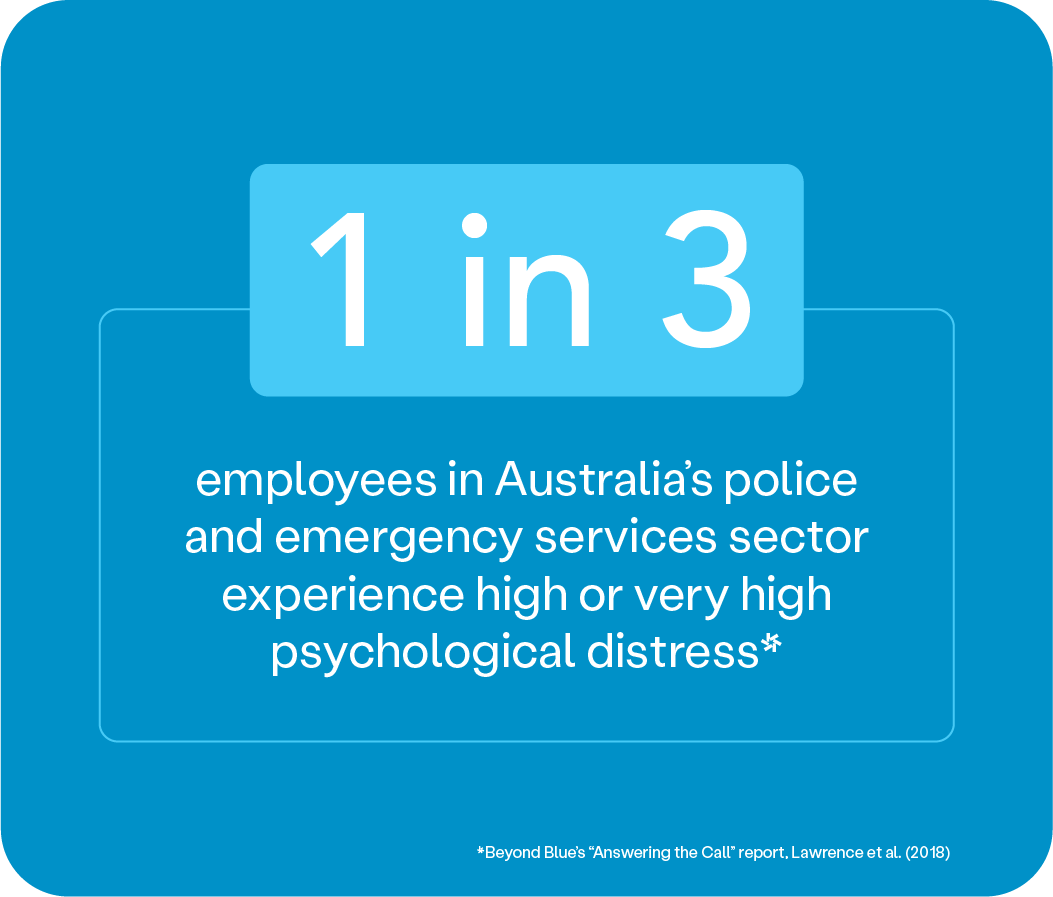
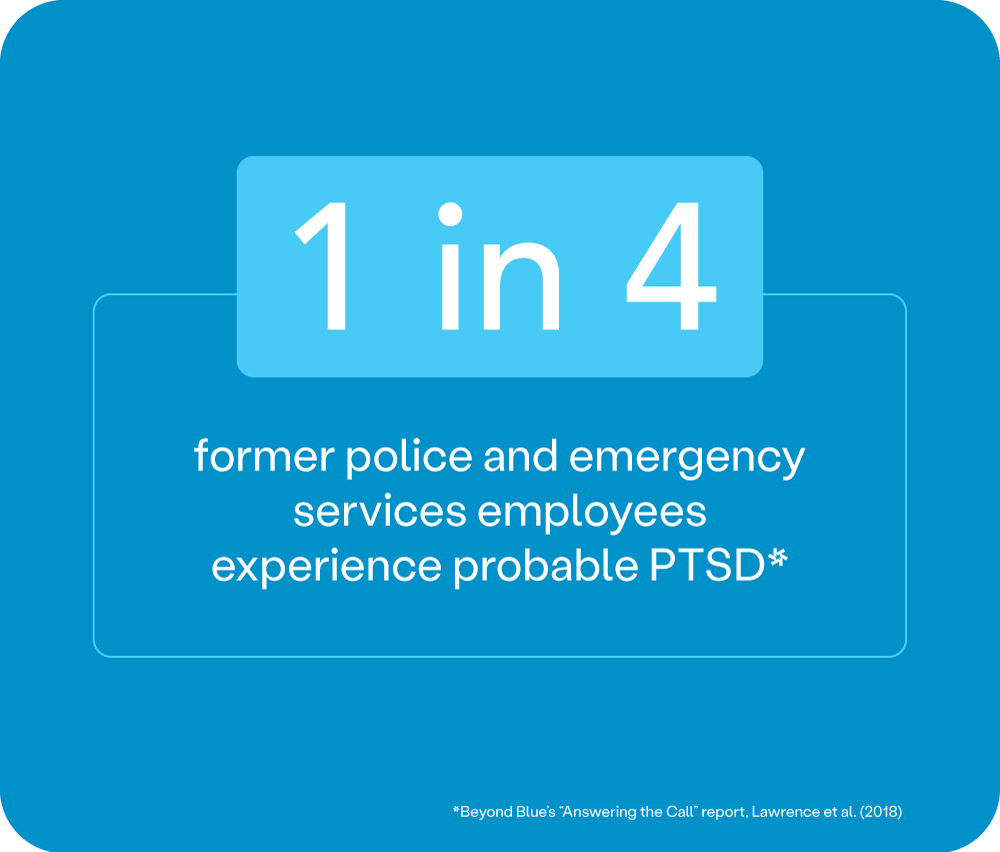
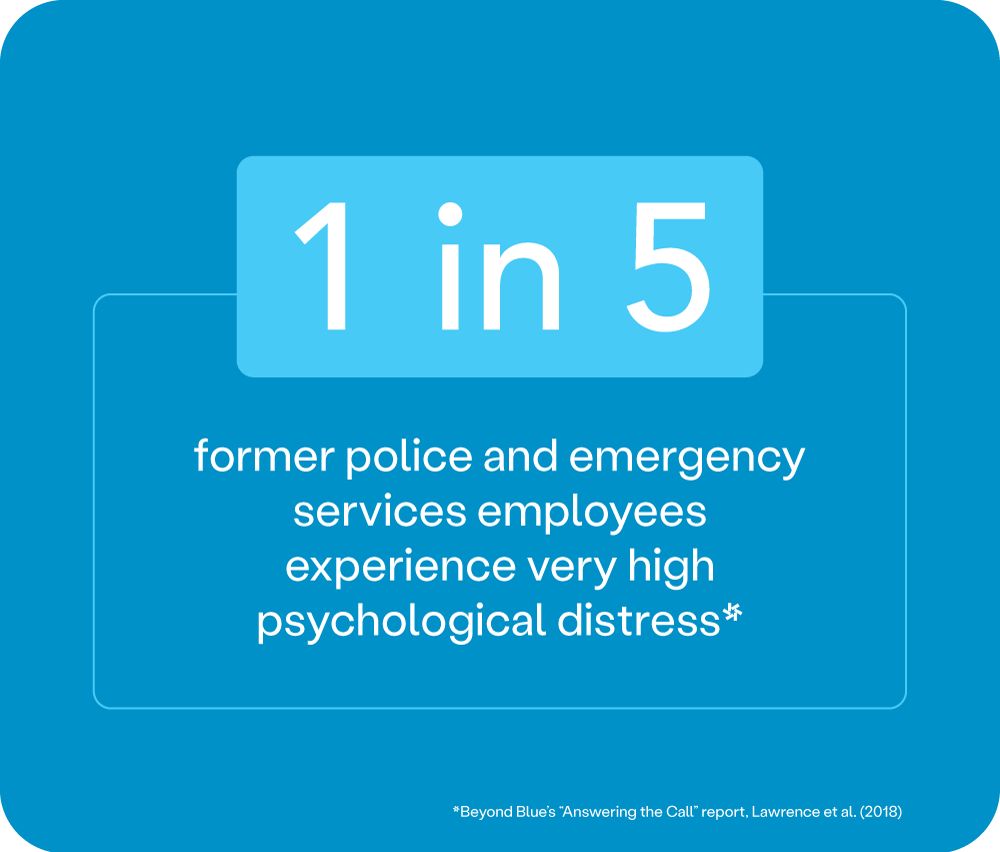
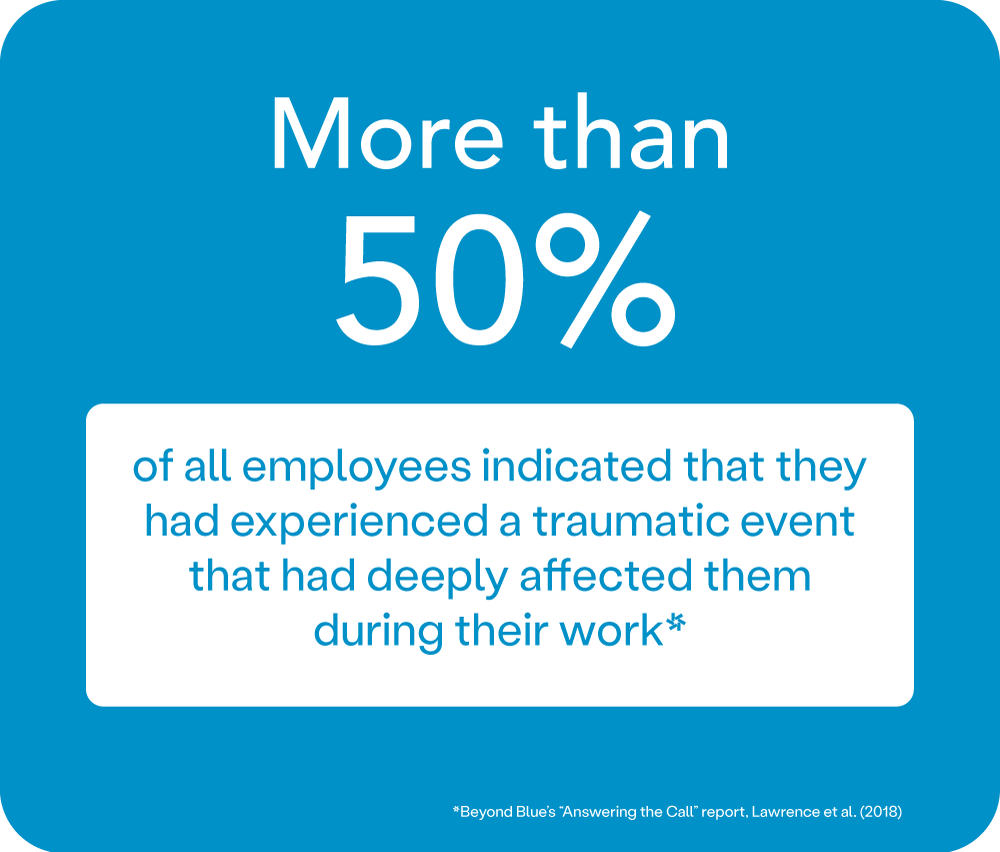
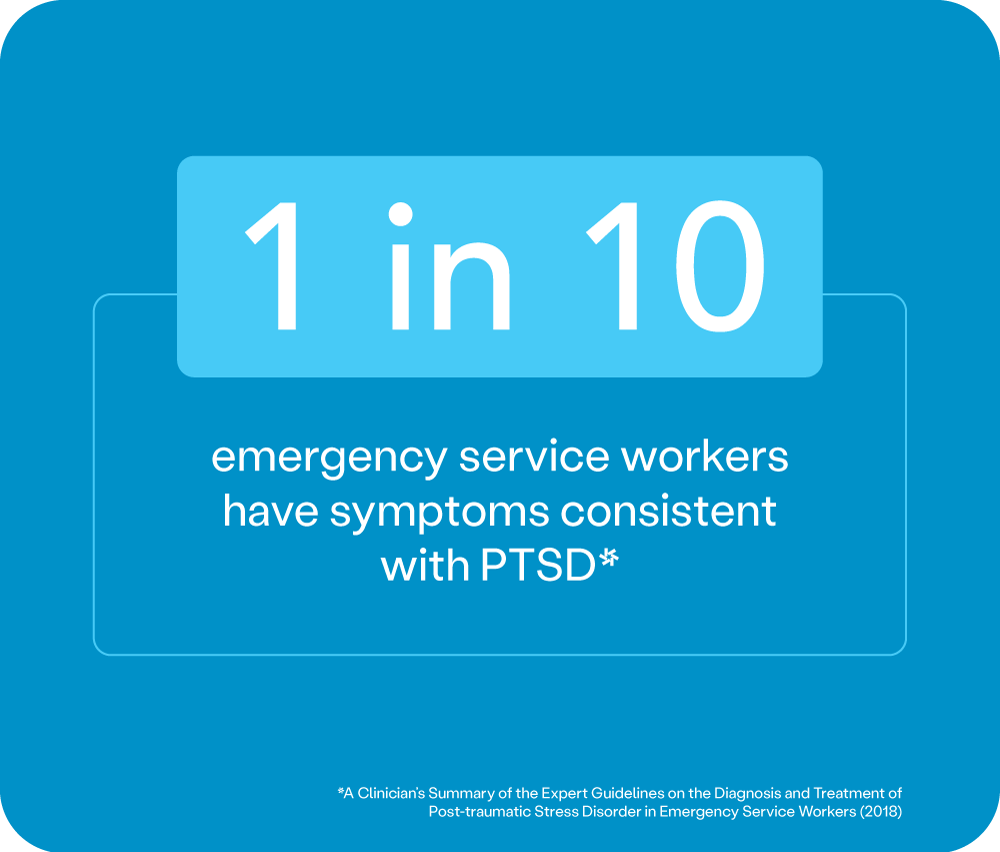
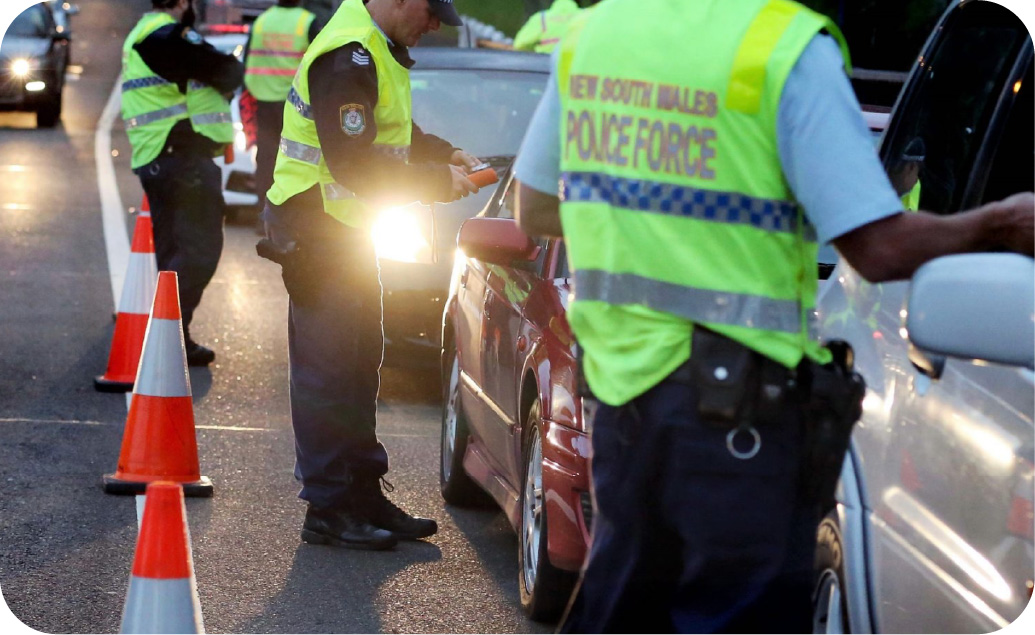
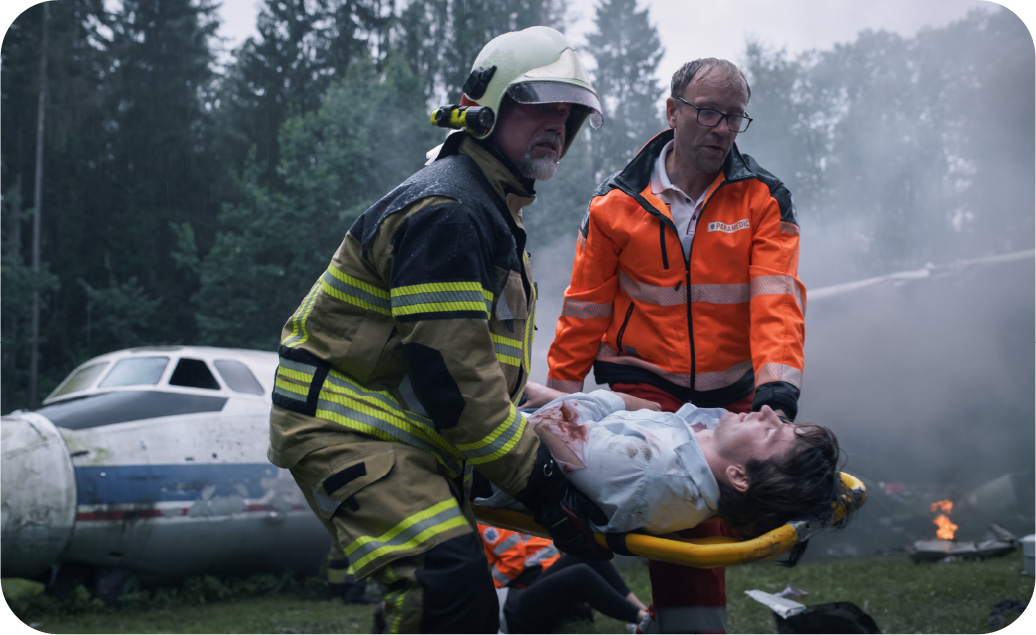
More than 350,000 full-time and volunteer emergency services personnel are on the frontline, protecting and caring for the public during emergencies and disasters in Australia. The demands of these roles are varied and complex, covering physical and psychological demands. They involve repeated exposure to traumatic situations, contributing to an increased risk of psychological harm and psychosocial hazard such as post-traumatic stress disorder (PTSD) in emergency service workers.
Supporting the physical and mental health of emergency service workers in Australia has become an increasing priority. Emergency Service Agencies should prioritise mental health alongside physical safety by implementing comprehensive wellbeing strategies and encouraging early access to support. Investing in prevention and ongoing mental health help for emergency service workers can strengthen workforce resilience and improve outcomes for both employees and the communities they serve.
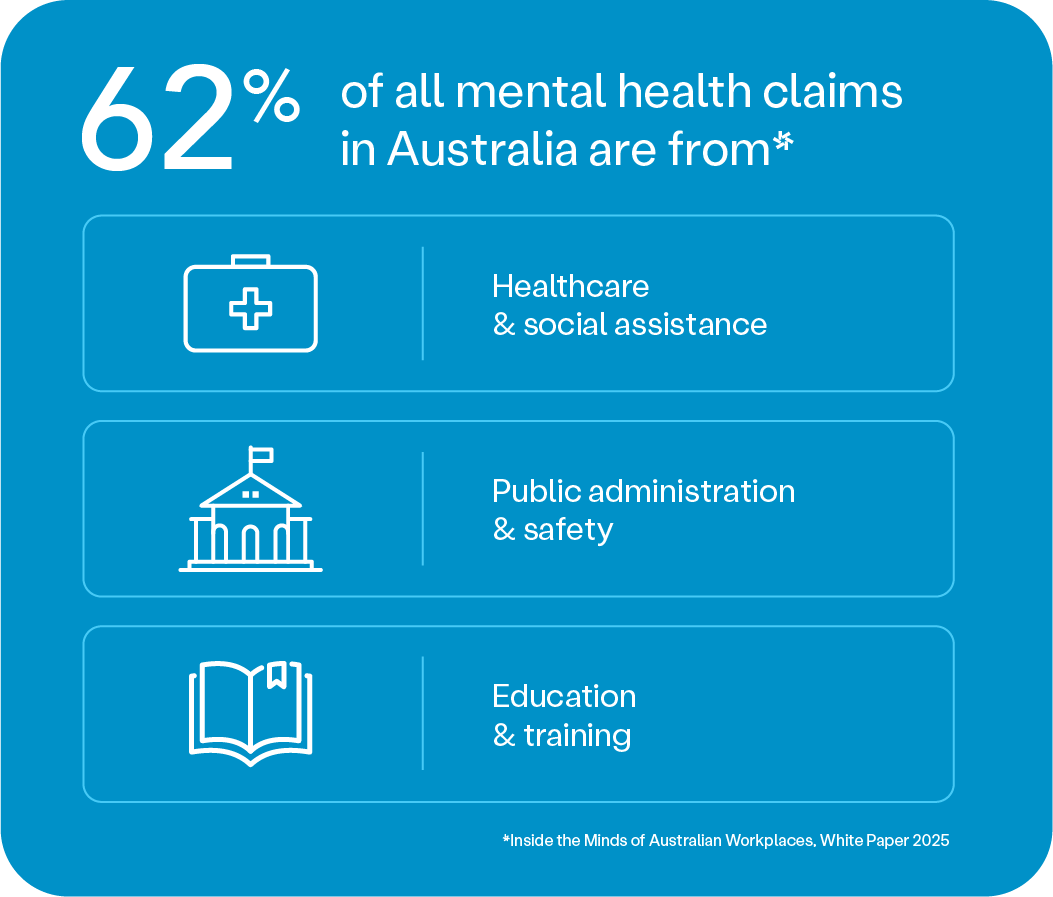
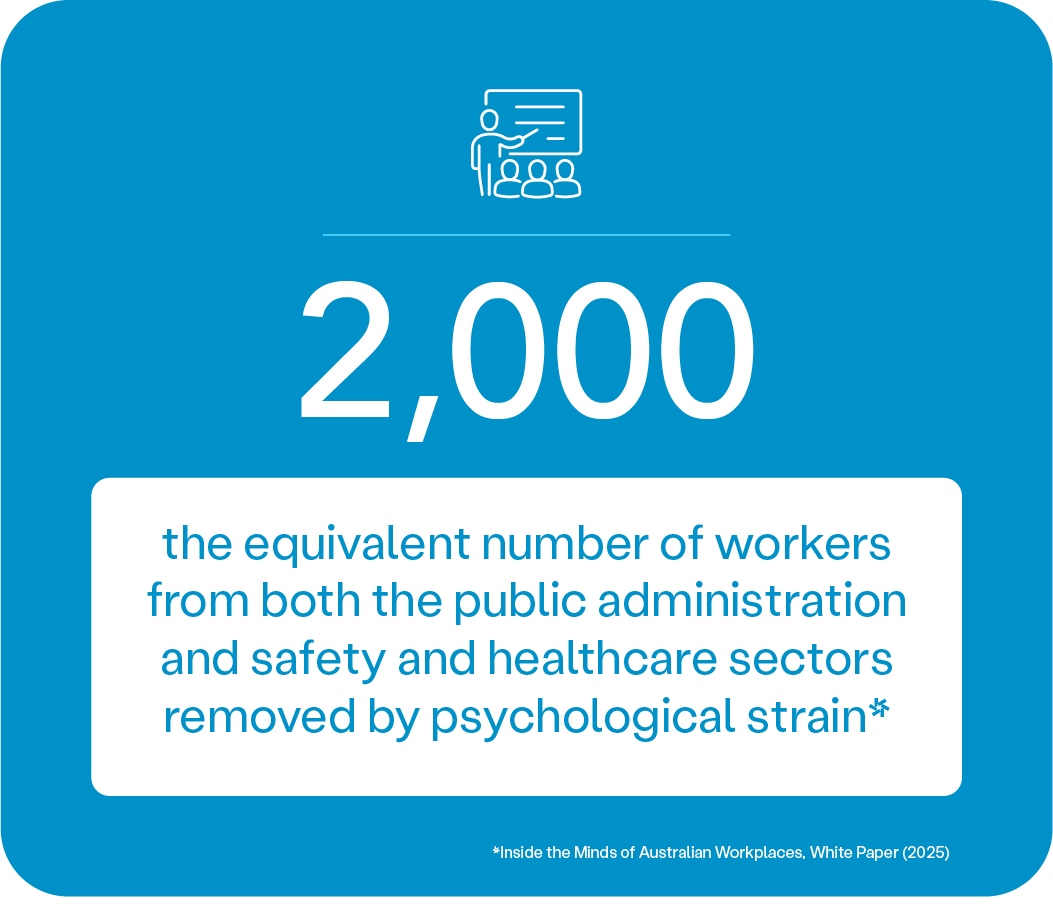
Findings from EML’s Inside the Minds of Australia’s Workplaces indicate that healthcare, public administration and safety, and education and training account for 62% of all mental health claims nationwide. Emergency services workers, law enforcement personnel, and other frontline government employees are among those experiencing the sharpest growth in psychological injury claims across Australia’s public administration and safety sector.
These emergency service workers often respond to traumatic incidents, managing crisis situations, and operating under sustained pressure, all of which can take a significant toll on mental wellbeing. As a result, burnout, psychological injuries, and PTSD remain prevalent within these professions, with the challenges becoming even more acute in the years following the COVID-19 pandemic.
With 20+ years of supporting police, fire, and ambulance personnel, EML provides emergency services workers and their families with tailored support, practical resources, recovery services, and claims guidance so they can access timely and appropriate care.
Interpersonal conflict is a rising cause of emergency services claims. We bring in expert support early to help de-escalate issues and find a way forward before a claim is made.
From repeated exposure to traumatic incidents to the cumulative effects of operational stress, emergency services workers face a higher risk of developing PTSD and other work-related psychological injuries.
We feature a curated collection of expert resources to help emergency services workers, employers, clinicians, and families better understand PTSD and navigate the path to recovery.
NSW Police Force – Wellbeing Support Services
This provides a range of confidential support available to police officers, employees, and their families. Services include psychological support, peer assistance, chaplaincy, and employee wellbeing programs that help personnel maintain their mental health and recover from challenging experiences.
NSW Ambulance Family Support Network
This offers practical guidance on mental health and self-care for ambulance staff and their families. It provides information on recognising the signs of stress, building resilience, and accessing support to help manage the psychological demands of emergency service work.
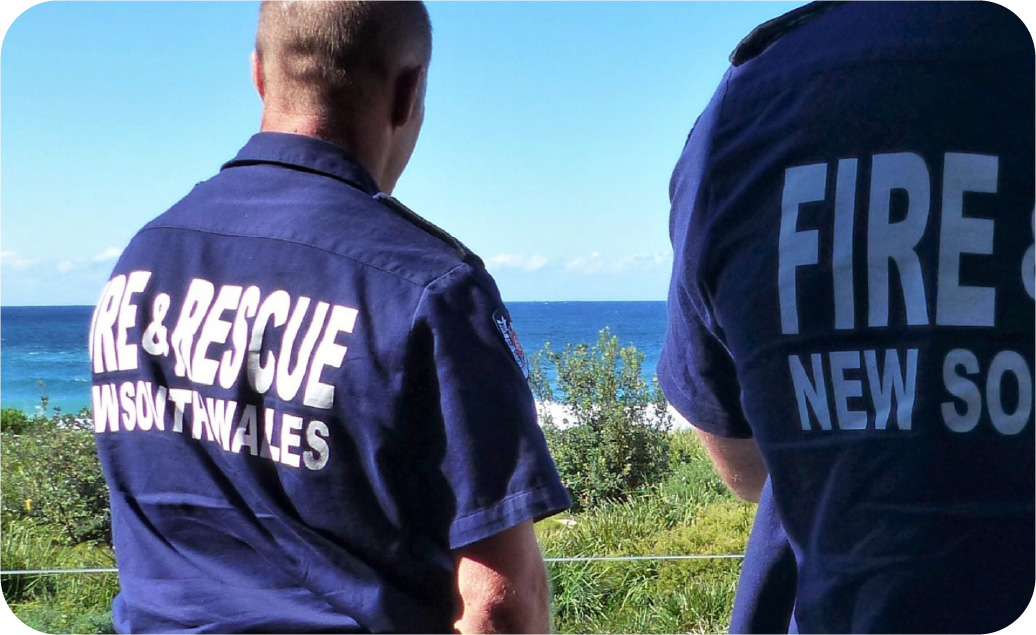
Fire and Rescue NSW – Support for Staff, Their Family, and Friends
This outlines the support services available to Fire and Rescue NSW employees, their families, and friends — from emotional wellbeing and counselling to peer support and practical assistance.
Victoria Police – Mental Health Strategy
This outlines key initiatives, action plans, and research aimed at reducing stigma, improving access to support, and fostering a mentally healthy workplace throughout every stage of an employee’s career.
Victorian Auditor-General – Staff Wellbeing in Fire Rescue Victoria
This independent audit examines how Fire Rescue Victoria supports the mental health and wellbeing of its workforce. It highlights existing wellbeing services, identifies opportunities to better manage psychosocial risks and cumulative trauma, and provides recommendations to strengthen long-term mental health support across the organisation.
Ambulance Victoria – Emergency Services Foundation Member Agency
This resource showcases collaborative programs and initiatives with the Emergency Services Foundation that help strengthen resilience, foster recovery, and promote positive mental health across the emergency services sector.
Queensland Police Wellbeing Support
Resolute Ready offers a range of wellbeing resources available to Queensland police personnel, including mental health support services, counselling options, peer support, and crisis assistance.
Queensland Fire Department – Supporting Our People
Explore the department’s initiatives, support services, and wellbeing programs that help firefighters and staff manage the physical and psychological demands of their roles.
Queensland Ambulance Service – Priority One
Priority One is the Queensland Ambulance Service’s comprehensive wellbeing program. This outlines the services and resources available to help ambulance personnel navigate the unique challenges of emergency service work while maintaining their overall wellbeing.
Mental Health White Paper
EML commissioned research conducted by Monash University’s Healthy Working Lives Research Group. By analysing four major national data sets across workers generally, those with compensation claims, and those with mental health-related claims, this research offers more than insight—it’s a clear call to action.
A step by step guide to support workplaces in assessing workplace preparedness and supports for an incident pertaining to violence or aggression.
Our clinician’s summary provides best-practice guidelines to support timely intervention, effective treatment, and improved recovery outcomes for those exposed to workplace trauma.
A compilation of specific guidelines from Phoenix Australia tailored to emergency workers (police, paramedics, firefighters, health professionals) on how to recover from PTSD.
A collection of resources for workers and clinicians to help protect emergency service workers from the impacts of PTSD and psychological injuries.
Phoenix Australia’s Responder Assist provides independent, confidential, evidence-based mental health assessment, treatment, referral, research, and clinician support for emergency services workers affected by work-related trauma.
Learn about the support, tools, and services available to police officers recovering from injury and considering alternative career pathways.
Recommendations to help organisations reduce exposure, strengthen support systems, and create safer, mentally healthy workplaces for employees exposed to trauma.
A free, Australian Government-funded program delivered by the Black Dog Institute that provides confidential mental health support for emergency services workers.
Beyond Blue, one of Australia’s leading mental health organisations, includes mental health information, 24/7 support, self-help tools, and workplace wellbeing resources.