

At the Workplace Health & Safety Show in May, industry leaders came together to explore how psychosocial risk is reshaping the way work is designed, led and experienced.
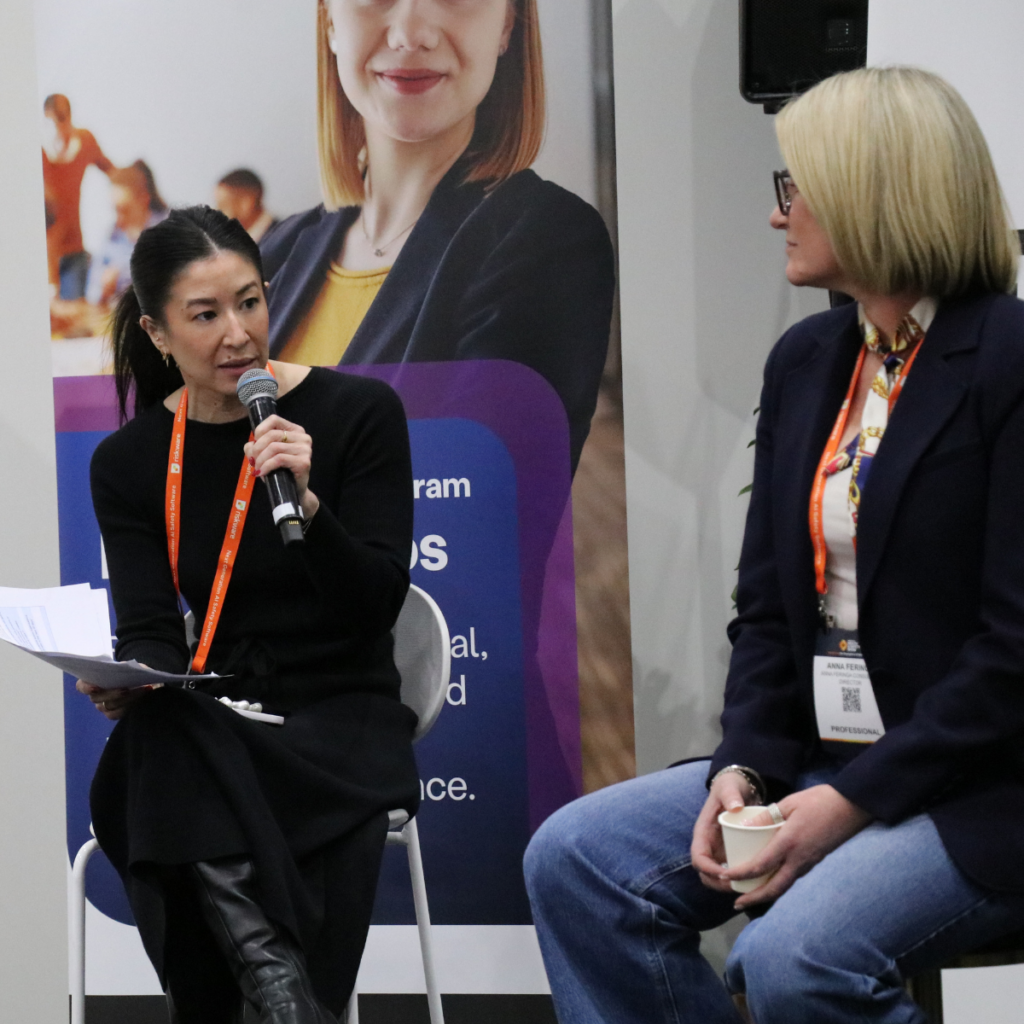
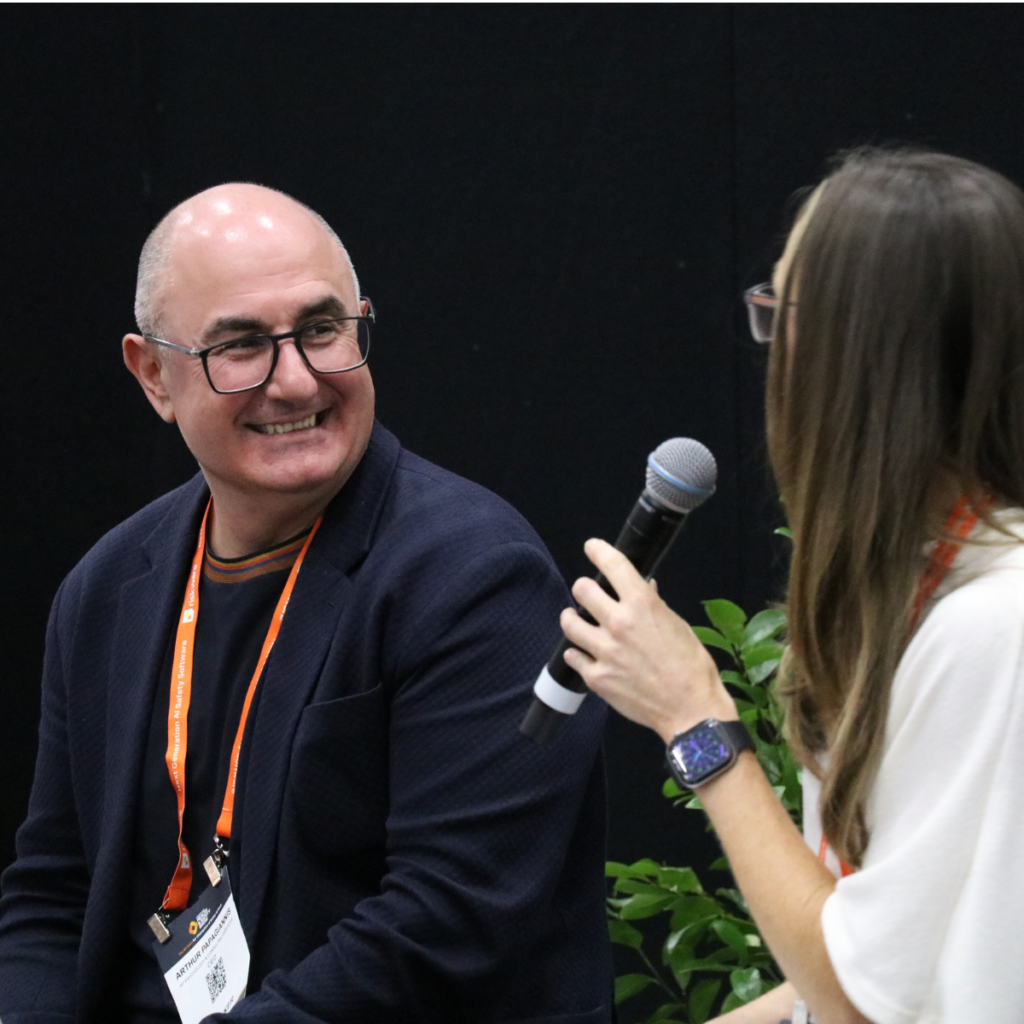
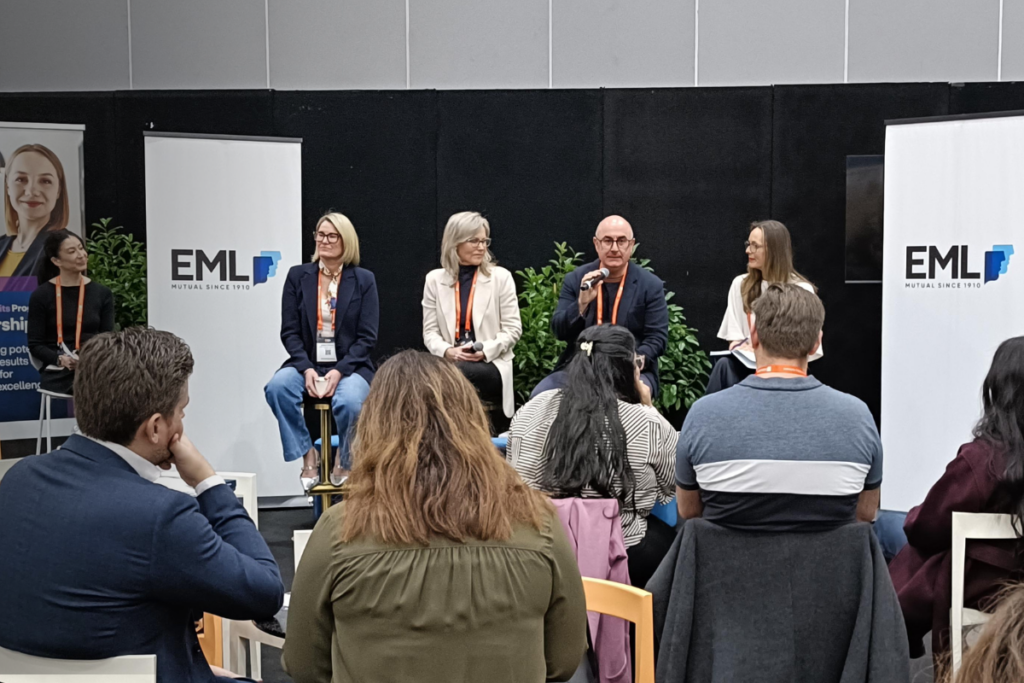
The panel People at Work: The Psychosocial Shift brought together Anna Feringa, Kerrie Adaway (Lysander), Arthur Papagiannis (AP Psychology & Consulting Services) and Dr Natalie Flatt (SuperFriend). Across governance, frontline delivery and research, a clear shift emerged: psychosocial risk is no longer an individual issue, it is a system issue.
From activity to accountability
Anna Feringa recognised that strong activity is already underway in many organisations through:
Surveys
Hazard identification
Risk assessments
This work is important as it builds awareness and helps identify risk, however, the focus is now shifting beyond activity to accountability. As Arthur Papagiannis observed:
“It’s no longer about doing something, it’s about showing how psychosocial risk is identified, controlled, and monitored.”
Regulatory expectations are evolving and organisations must move beyond identifying hazards to demonstrating how risks are governed, controlled and sustained over time.
What the research is telling us
This shift is reinforced by national research commissioned by Safe Work Australia, reviewing more than 7,000 WHS publications over 15 years.
While psychosocial harm is one of the most studied areas, the research highlights a critical gap. The evidence base is strong in documenting harm, but far less developed in outlining what works at a system level.
Most research focuses on, prevalence, symptoms and outcomes, with less emphasis on:
organisational systems
leadership capability
return-to-work pathways
In short, organisations have more insight into the problem than the solution, reinforcing the need to prioritise system design, not just measurement.
Designing systems that work in practice
The panel brought this gap to life, highlighting what effective psychosocial risk management looks like in practice.
Kerrie Adaway emphasised the shift toward prevention, saying “Psychosocial risk is increasingly being understood as something shaped by the way work is designed, led and experienced, rather than simply an individual issue.”
She added that strong organisations are deliberate in their approach and the impact is immediate and visible at a team level, stating “psychosocial risk doesn’t live in policies, it lives in team interactions.”
Arthur Papagiannis reinforced where the real leverage sits, stating it’s “Less about fixing individuals, more about fixing the system. Work design, leadership, and culture are where the real leverage sits.” He also highlighted leadership as: “Your strongest control, or your biggest risk.”
Dr Natalie Flatt broadened the perspective, noting “Workplaces now sit within a much bigger mental health ecosystem.” She highlighted that expectations are shifting, particularly among younger workers, who now see supportive and psychologically safe environments as a baseline. Clarifying a common misconception, she added “It’s not about lowering standards, it’s about creating trust, ensuring people feel safe to speak up without fear.”
Leadership and teams: where risk is shaped
A consistent theme was that psychosocial risk is experienced day to day through leadership behaviour and team dynamics.
Kerrie also noted that in almost every case “avoidance creates psychosocial risk”.
Conversely, effective leaders reduce risk by stepping in early, with clarity and consistency. This reinforces what both research and practice suggest, that leadership behaviour and system design, not just individual resilience, determine whether risk is reduced or reinforced.
Shifting the focus
The opportunity now is to translate insight into implementation.
Organisations do not need to start from scratch but they do need to shift focus:
From awareness to accountability
From activity to governance
From individual response to system design
As Arthur Papagiannis challenged the audience, “If we knew a psychological injury claim was coming in the next six months, what would we do differently today?”
Looking ahead
The discussion reflects a fundamental shift in how psychosocial risk is understood and managed.
Organisations are no longer being asked if they are doing the work, they are being asked to demonstrate that their approach is designed, embedded and effective over time. The message is clear, psychosocial risk is not something to respond to after the fact. It is something to design for, lead through, and evidence over time.
For organisations willing to make that shift, the outcome is stronger governance, more confident leadership, and workplaces where people can perform and thrive.
Turning Insight into Action
Through EML’s Mutual Benefits Program, organisations are supported to translate insight into practical, sustainable action.
This includes training to build leadership capability and confidence through self-paced e-learning and facilitated sessions, alongside tools to support consistent risk identification and management, such as;
Workplace mental health resources, employer videos, health check tools, Legislative Reform Resource Hub.
Backed by research, insights, and ongoing innovation and partnerships, the program is designed to help organisations move beyond activity and embed approaches that are consistent, practical and effective over time.