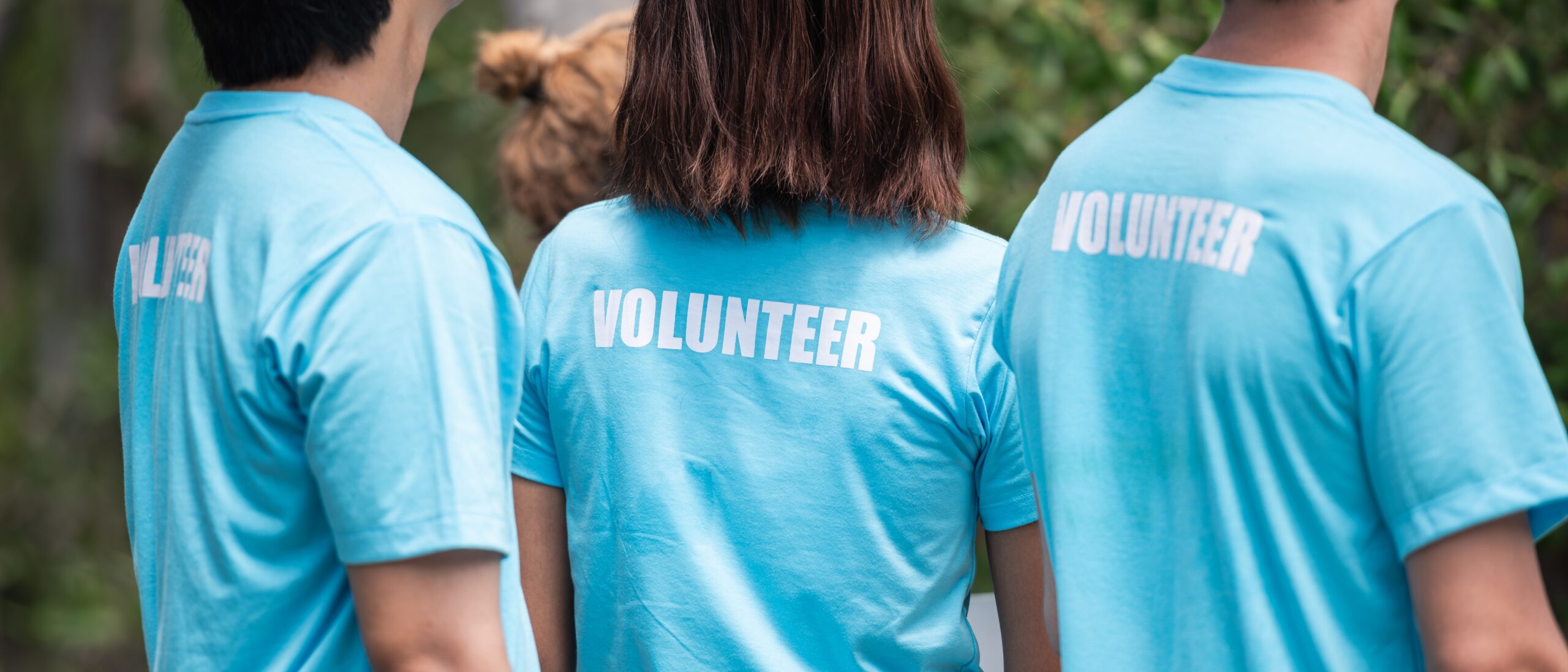
At EML, we support recovery approaches that help people stay engaged with their communities and participate in activities that are important to them. For some individuals, volunteering may provide an opportunity to maintain social connection, build capability and work towards recovery goals.
Returning to meaningful activity after injury can play an important role in recovery. While paid employment is often the long-term goal, volunteering may offer a structured way to develop routine, explore interests, build skills, increase activity levels and participate in community life while recovery progresses. For some people, it can also provide opportunities to strengthen social connections and regain a sense of purpose during a period of change.
How volunteering can support recovery
Research has shown that volunteering can have positive impacts on both physical and psychological wellbeing. Depending on an individual’s circumstances and capacity, volunteering may help to:
- Build confidence and self-esteem
- Establish routine and structure
- Increase social connection and reduce isolation
- Improve wellbeing and sense of purpose
- Develop or maintain skills
- Increase participation in community activities
- Support readiness for future employment opportunities
- Enhance overall quality of life
Importantly, volunteering should complement an individual's recovery plan and be considered within the context of their goals, interests, abilities and medical advice.
Finding the right opportunity
Volunteering opportunities are available across a wide range of organisations and community groups.
Examples may include:
- Community support services
- Environmental and conservation projects
- Animal welfare organisations
- Sporting clubs and community groups
- Cultural and arts organisations
- Education and mentoring programs
- Online and virtual volunteering opportunities
The best volunteering opportunities are those that align with a person's interests, skills, values and recovery goals. Starting with smaller commitments and gradually increasing involvement may help some individuals build confidence and capacity over time.
Things to consider
Volunteering is not suitable for every person or every stage of recovery. When considering volunteering, discussions may include an individual’s recovery goals, functional capacity, treatment plan, interests and the demands of the proposed activity.
Suitable opportunities are generally those that align with a person’s skills, interests and current abilities and may begin gradually as confidence and capacity develop. Volunteering should complement recovery and treatment goals and may be reviewed over time to ensure it continues to support recovery outcomes. Participation in approved volunteering activities will not affect weekly compensation benefits.

Considerations for healthcare providers
Healthcare providers can play an important role in supporting participation-based recovery activities. The following considerations may assist when discussing volunteering with patients and assessing whether it aligns with recovery goals.
When discussing volunteering with a patient, topics may include:
Capacity and suitability
- Functional ability and current restrictions
- Physical and psychological demands
- Health and safety considerations
- Potential barriers to participation
Goal alignment
- Recovery goals
- Social participation objectives
- Confidence and self-management development
- Return to work readiness where appropriate
Reviewing progress
When evaluating the role of volunteering in recovery, discussions may look beyond hours volunteered and consider:
- Participation: attendance and involvement
- Functional progress: activity tolerance and capacity
- Community connection: engagement with activities and others
- Routine: consistency over time
- Wellbeing: reported benefits and challenges
Review activities
- Routine treatment reviews
- Ongoing provider communication
- Case Conferences where appropriate
- WHODAS, GSE or other clinical measure if utilised
Clinical considerations
Certificate of Capacity:
should reflect volunteering capacity, including hours and days where appropriate.
Allied Health Treatment Request:
outline how volunteering supports recovery goals and describe the expected functional, psychosocial or wellbeing benefits.
Collaboration:
work collaboratively with the injured worker, case manager and other treating providers.
Useful resources and links:
A range of organisations provide volunteering opportunities across Australia, including community-based, emergency services and online options.
Community Volunteering
- SEEK Volunteer
- Volunteering NSW
- Volunteering Australia
- DigiVol
- Pro Bono Australia
- Australian Volunteers Program
Community Organisations
Need help? Let’s talk.
Discussions about volunteering may involve treating practitioners, EML case managers, rehabilitation providers and career management services. Together, these stakeholders can help determine whether volunteering is appropriate and identify opportunities that align with recovery goals, interests and current capacity.
Downloadable resources for injured workers and healthcare providers
To support conversations about volunteering and recovery, EML has developed resources for both injured workers and healthcare providers. These guides can be used alongside the information in this article to support discussions about recovery, participation and volunteering opportunities.
- Injured Worker Guide to Volunteering – practical information about the potential benefits of volunteering and how to find opportunities.
- Healthcare Provider Guide to Volunteering – information to support discussions about volunteering as part of a person’s recovery and participation goals.