
Return to work coordination – 3-part series

Our new Return to Work Coordination courses have now been updated and released.
These courses are available free and exclusively to EML customers through EMlearning and have be…
Family support for injured workers
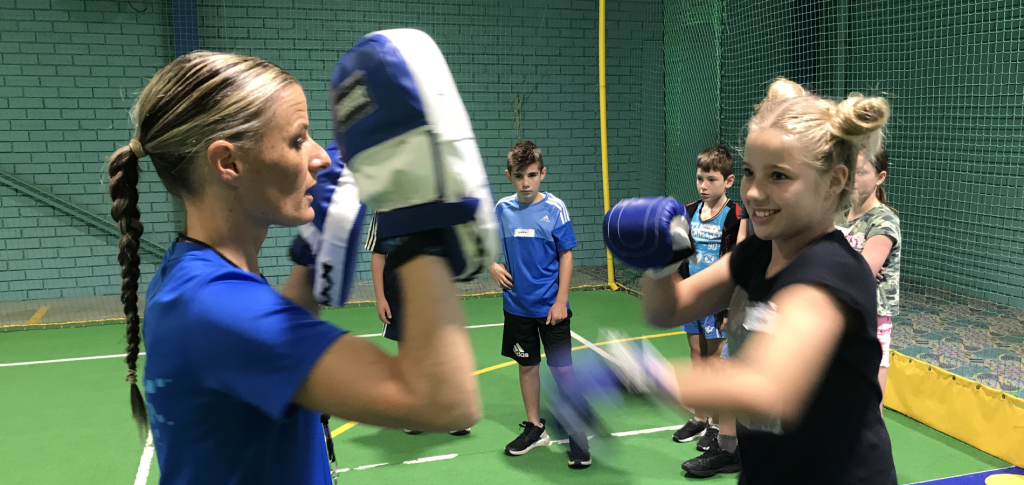
When injury strikes, it impacts not only the injured person, but the people around them – most significantly, their family. And it’s usually their family who can have the most i…
Delivering leading treatments for PTSD in emergency services

In Australia, there are approximately 80,000 full time emergency services personnel who play a critical role in protecting and helping people and communities in need.
Gauging mental health in the workplace – it starts at the top

Workplace Mental Health Expert, Author, Trainer & International Speaker Anna Feringa, discusses stress, and more particularly, mental health in the workplace.
What happens when my partner is in inpatient care?
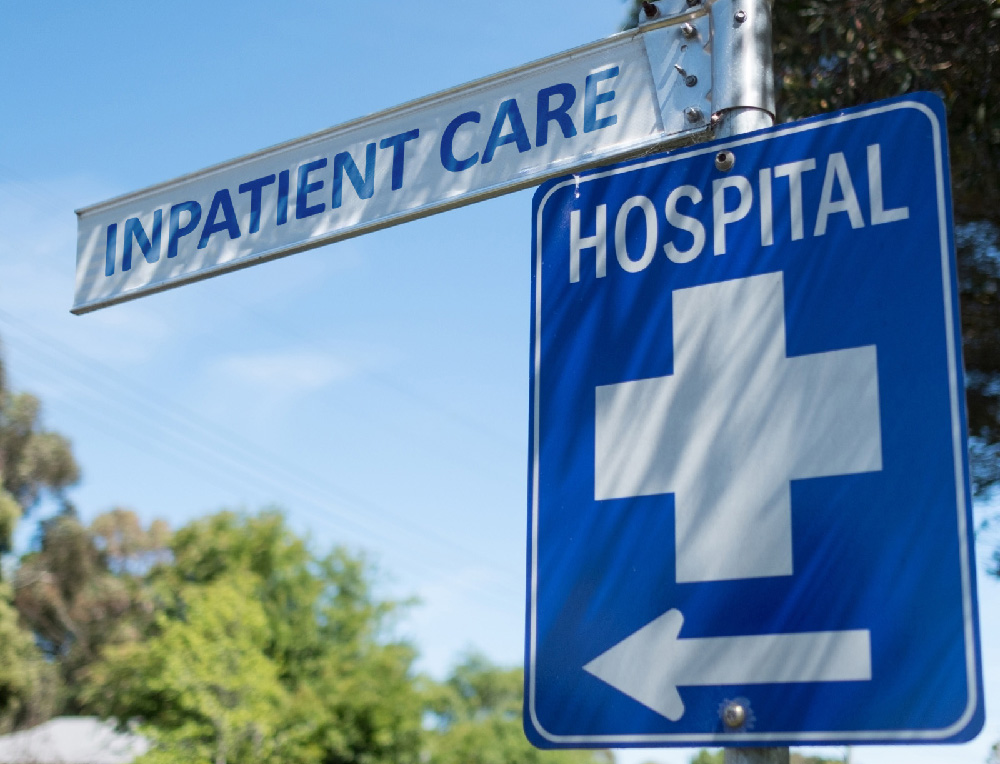
Inpatient care involves admission to hospital. It is recommended for people who are extremely ill or who have complex care needs and are unlikely to receive the support they nee…
Why is my loved one so angry?

Anger is a common reaction for many who have experienced a traumatic incident.
Tips on managing psychological risks in your workplace

In Australia, employers are obligated to eliminate or minimise psychosocial risks as far as reasonably practicable. In this article we discuss five ways to effectively manage ps…
What is a safety plan? Why am I being asked to participate?

A safety plan describes the steps that need to be taken to keep your loved one safe. It is often suggested by a treating psychologist or psychiatrist for people who are experien…
What is trauma?

Sometimes people refer to ‘the trauma’ of seeing or experiencing something, and other times we might hear trauma used to describe the injury itself.
Why is my loved one drinking more?

In the Beyondblue Answering the Call report, it was identified that emergency service workers had high rates of alcohol consumption and this was higher in those who were likely …