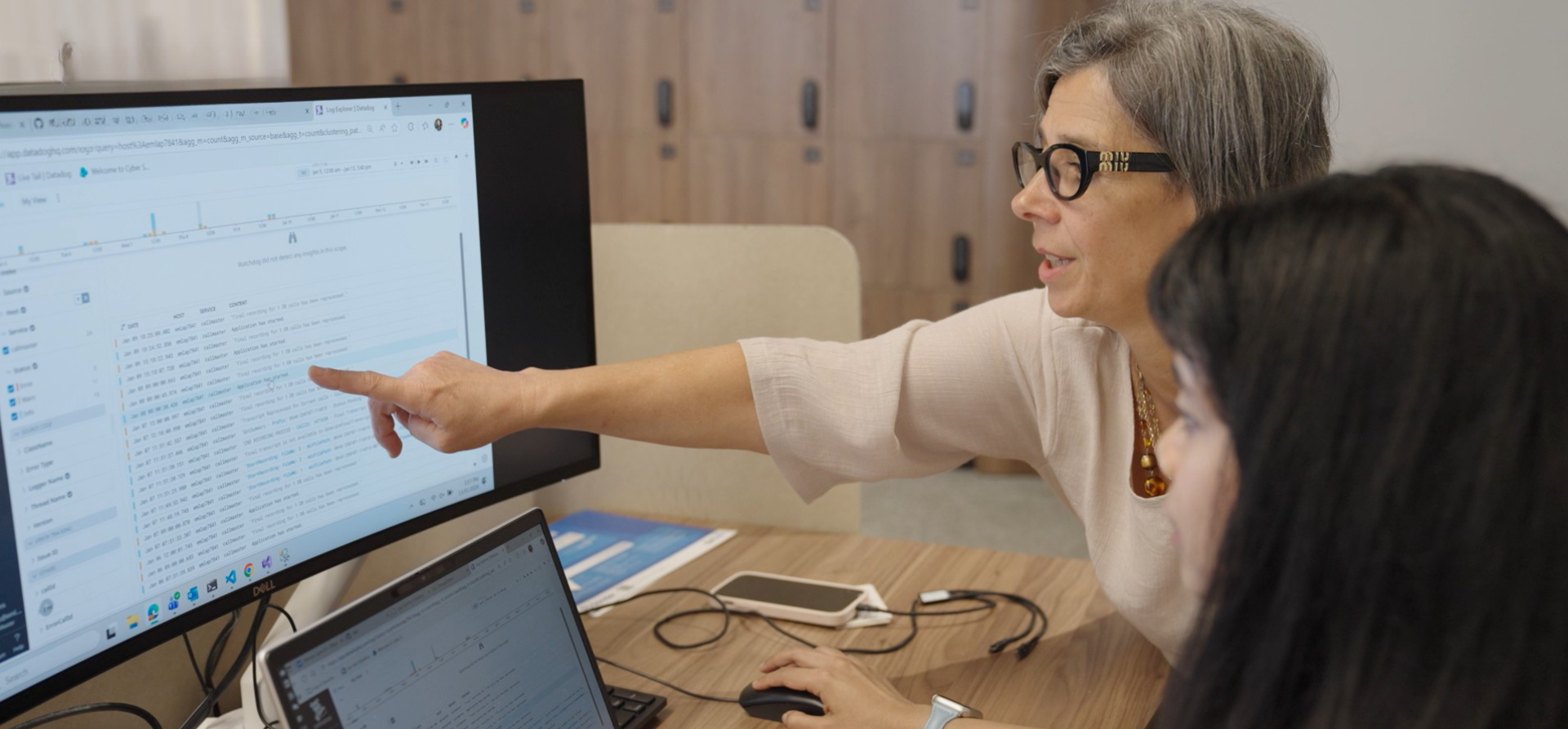
Through the Mutual Benefits Program we provide our customers with complimentary access to our training events, to support professional development and ensure all businesses have the information they need to create safe workplaces.
Our extensive program covers current trends in injury prevention, injury management and workers compensation.
Access an extensive range of up to 90 calendarised events nationally covering current trends in injury prevention, injury management and workers compensation. Sessions are presented by both in-house subject matter experts and industry specialists both via face-to-face and virtual formats.
Our Employer Training Program is facilitated by our in-house experts and external industry leading Specialists. This quarter we welcome an incredible lineup of facilitators from leading organisations such as AP Psychology, BodyGuide, IPAR, KINNECT, Lysander, Our Curious Minds, PHSA, Procare, Recovre, Work Healthy Australia.
Host: Our Curious Minds
The Stay S.A.F.E.R.® De-escalation Program provides practical skills and strategies to help participants recognise early signs of escalation, respond effectively to heightened emotions, and support safer, more positive outcomes for everyone involved.
Host: Lysander
Fatigue is now recognised within psychosocial hazard frameworks, not just as a physical safety issue but as a psychological risk factor. Ongoing workload pressure, long hours, mental load, and emotional strain can erode coping capacity, judgement, and wellbeing. This
session helps leaders recognise fatigue as an early risk indicator.
Host: IPAR
Ageism awareness education helps leaders recognise when age-based may be influencing workforce decisions. Understanding how ageism presents and plays out in the workplace provides opportunities to interrupt these assumptions ultimately improving workforce capability and helping people work better, for longer.
Host: Work Healthy Australia
This session, designed for WHS professionals and those involved in supporting the RTW process, explores the connection between physical injury and psychological risk, the challenges of managing these risks in isolation, and the benefits of an integrated approach
Host: EML
This course is designed to provide employers with an update on current issues impacting workers compensation schemes, the latest trends, external factors and legal implications, and the expected implications of these issues for employers. Topics include: Overview of Workers Compensation in Australia; State Schemes updates and impacts.
Hosts: AP Psychology
Drive improvement in customer outcomes, client retention and staff productivity by developing the confidence, skills and knowledge to effectively manage the different types of challenging behaviors which may arise when we engage with customers, clients and colleagues.
Host: PHSA
This session provides employers with the knowledge of what stress is, its effects and impacts on the individual, and how to recognise it amongst the workforce and personally. Our PHSA subject matter expert will provide strategies for managing everyday stress and self-endangering work behaviours.
Host: Procare, BodyGuide
Join us as we explore the role of culture & health literacy in injury prevention. We'll be reviewing research, case studies and real world success stories. There'll be no outdated 'safe lifting advice' or ineffective manual handling training. Instead, we'll take a prevention approach to the psychosocial impacts of pain & injury. From health & safety to operations & the CFO - the session will focus on a multi-stakeholder approach to prevention, early intervention and RTW.
"
Host: Lysander
Job insecurity is now recognised as a psychosocial hazard. Even when roles remain, uncertainty about the future - restructures, funding changes, contract renewals, or workforce shifts - can create ongoing psychological strain. This session helps leaders understand how uncertainty affects wellbeing and how their communication and decision-making can reduce risk.
"
Host: PHSA
Australian workplaces are diverse and many workers come from migrant and multicultural backgrounds. Employers have a duty to ensure that all workers are healthy and safe at work, and this will require you to tailor your approach to meet the needs and abilities of all workers. This session covers some ways that employers can manage WHS risks in a sensitive way, through tailored communication, consultation, cultural and religious awareness.
Host: KINNECT
Research consistently demonstrates that psychosocial factors often have a greater impact on recovery and return-to-work outcomes than the physical injury itself.
This session provides employers, RTW coordinators and supervisors with practical knowledge to identify psychosocial risk factors that may delay recovery, understand the purpose of biopsychosocial assessments, and implement workplace strategies that support recovery and durable return-to-work outcomes.
Host: Recovre
"
Psychosocial hazards can have a significant impact on wellbeing, performance, and workplace safety. This session will build awareness of the legal and practical frameworks for identifying, assessing, and managing psychosocial risks, while supporting participants to apply effective risk and injury management approaches."
Host: PHSA
This session explores strategies to recognise, respond to and manage occupational violence and aggression in the workplace. The training focuses on early awareness, effective de-escalation communication, and practical safety measures to support safer interactions and reduce risk in the workplace.
Host: Recovre
This session introduces the concept of suitable work and the legislation that underpins it, while explaining the benefits of offering suitable work for both the worker and the organisation. This will cover how task analysis supports the development of job dictionaries, along with RTW arrangements, additional tools, and key resources to help apply these concepts in practice.
Host: KINNECT
This session explores moral injury in the workplace, with a focus on how challenges to personal values and ethical boundaries impact individuals. Participants will gain insight into the causes and psychosocial drivers of moral injury, how it influences worker wellbeing and recovery, and practical approaches to recognise and respond to help reduce its impact in workplace and workers compensation contexts.
Host: IPAR
This workshop explores how to create a safe, structured, and compassionate pathway that helps employees return to meaningful work while maintaining dignity and confidence. Participants will learn how to balance organisational needs with individual wellbeing, using practical tools that make recovery smoother and more sustainable. The session empowers leaders to foster a culture where early support, clear communication, and thoughtful planning lead to better outcomes for everyone
Join Matthew Green, Founder and speaker with BodyGuide, as he explores the world of movement education and challenges the understanding of how to teach people to avoid injury.
This session will unpack why technique isn’t the protective factor many assume, shine a biopsychosocial lens on the problem, and examine real world case studies. It will also look at sensor technologies, lifting aids, and other factors that genuinely influence safe manual handling.
15 April, book now via EMlearning.
Browse our training across workers compensation, health and safety, return to work and mental health.
Browse our training across workers compensation, health and safety, return to work and mental health.
Browse our training across workers compensation, health and safety, return to work and mental health.
Browse our training across workers compensation, health and safety, return to work and mental health.
EML’s cancellation policy provides greater flexibility with regards to training cancellations and refunds for our customers